
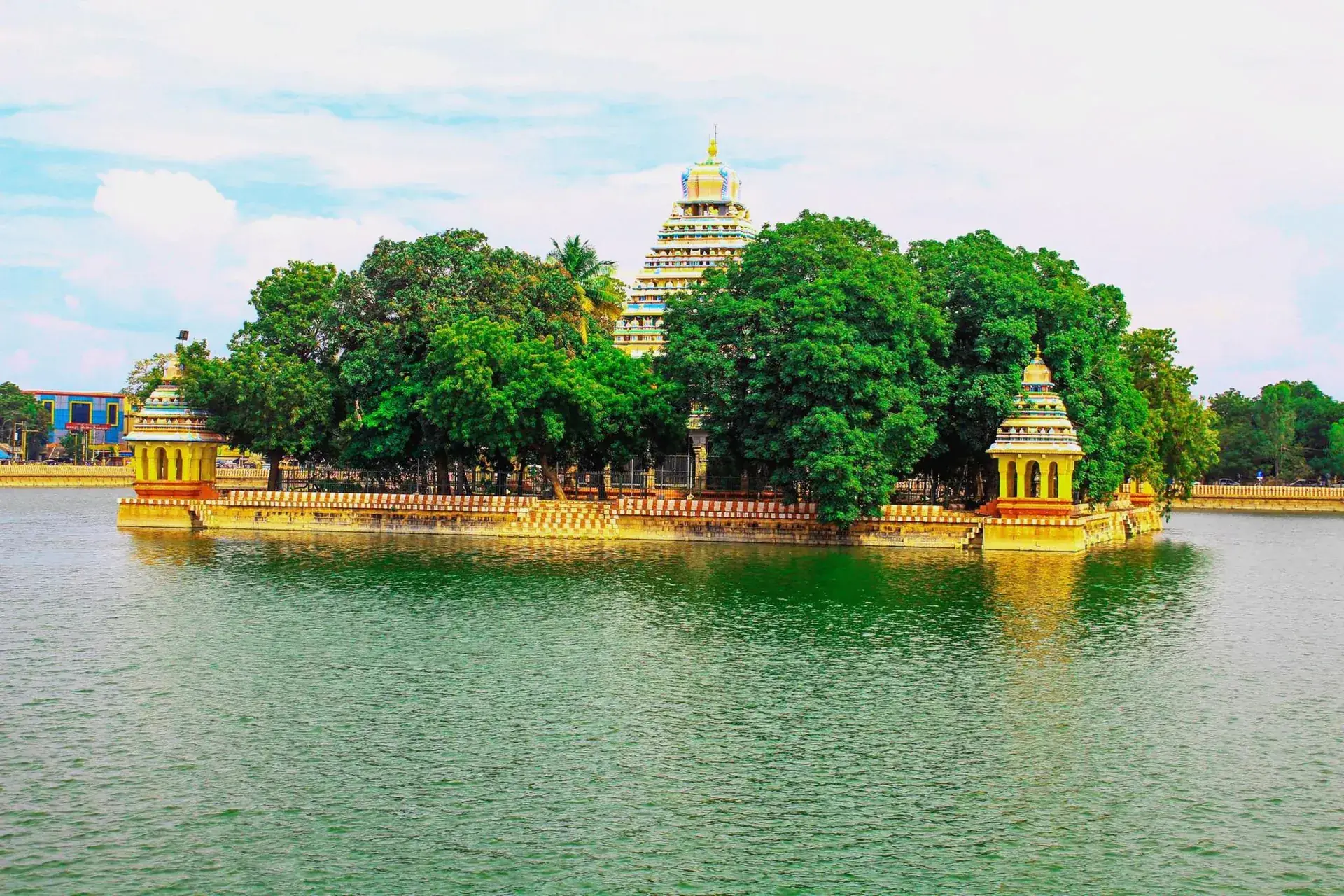
South India's temples are living places of worship, not museums. Following local customs shows respect and makes your visit smoother.
Dress
- Modest clothing is expected everywhere: cover shoulders and knees.
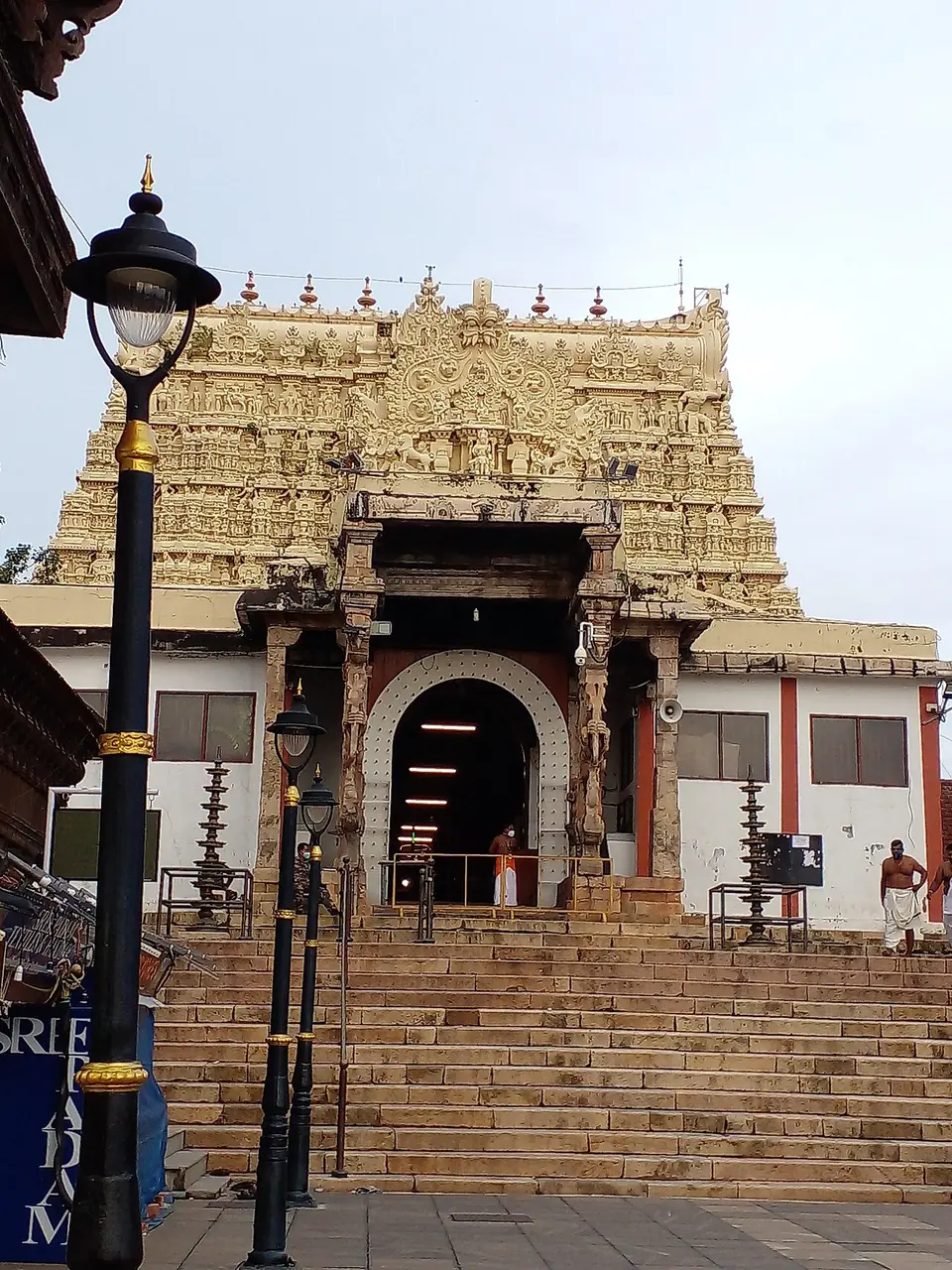
- Kerala temples often have strict codes. At the Sree Padmanabhaswamy Temple in Thiruvananthapuram and at Guruvayur, men wear a dhoti (mundu) and remove their shirts; women wear saris or long skirts. Dhotis can be hired near some temples.
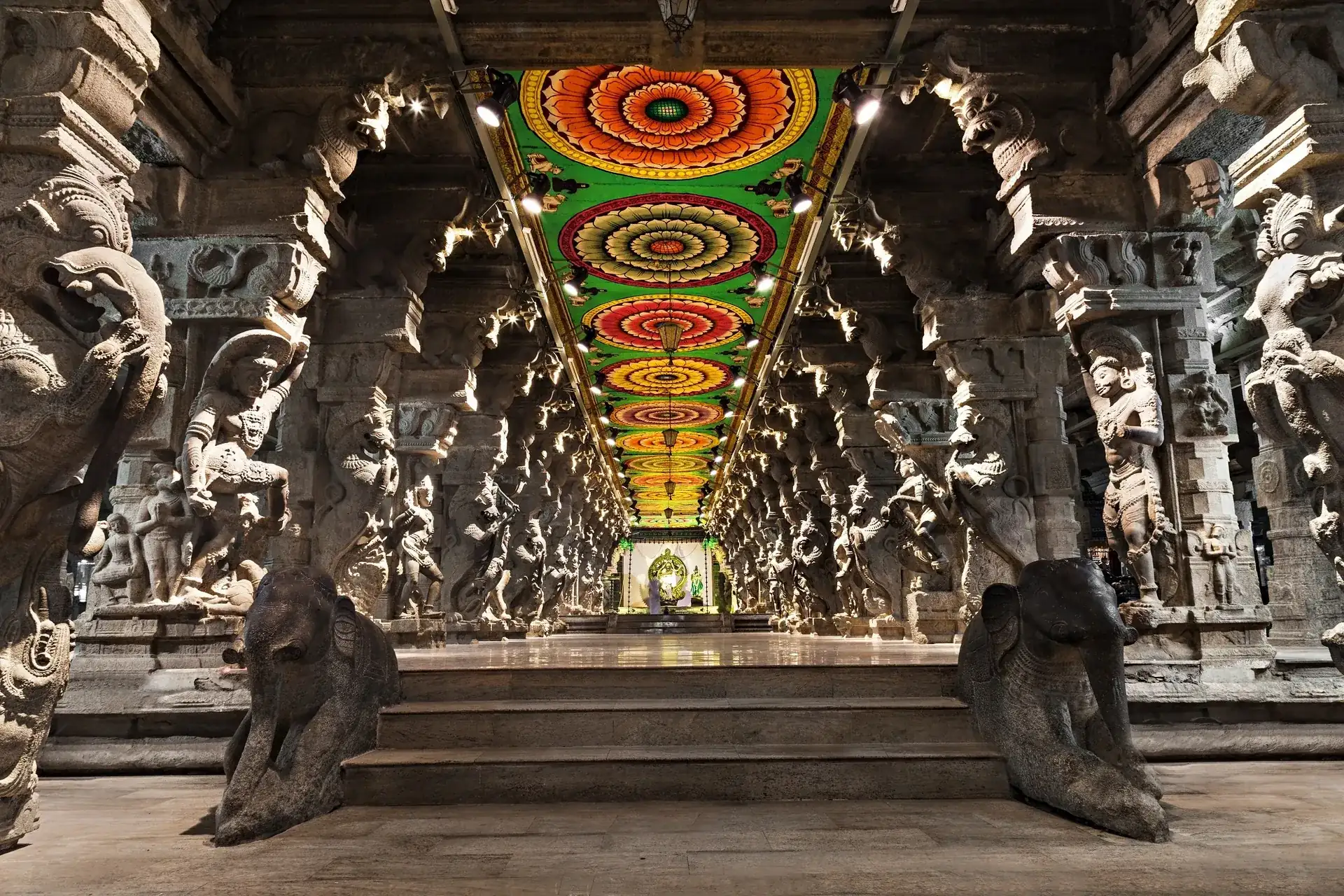
- Tamil Nadu temples such as Meenakshi Amman in Madurai expect traditional or modest dress; some inner shrines ask men to remove shirts.
- Tirumala in Tirupati has a traditional dress code for darshan.
Footwear
Remove shoes before entering the temple complex. Most large temples have shoe-keeping counters. Stone floors get very hot in the afternoon; carry socks or visit in the morning and evening.
Who can enter
Some temples restrict entry to the inner sanctum, or to the whole temple, to Hindus. This applies at several Kerala temples and at the Jagannath Temple in Puri. Signs at the entrance explain the rules.
Photography
Photography is usually allowed in the outer corridors but prohibited near or inside the sanctum. Some temples ban phones entirely and provide lockers. Always check signs and follow staff instructions.
Customs
- Walk clockwise around shrines and the temple.
- Do not touch idols or priests unless invited.
- Offerings such as flowers, coconuts and lamps are sold outside; giving them is optional.
- Accept prasadam with your right hand.
- Keep your voice low.
Timings
Many temples close their inner shrines for a few hours in the early afternoon and reopen in the evening. Evening ceremonies, such as the night procession at Madurai's Meenakshi temple, are among the most atmospheric times to visit.
Big temples to plan around
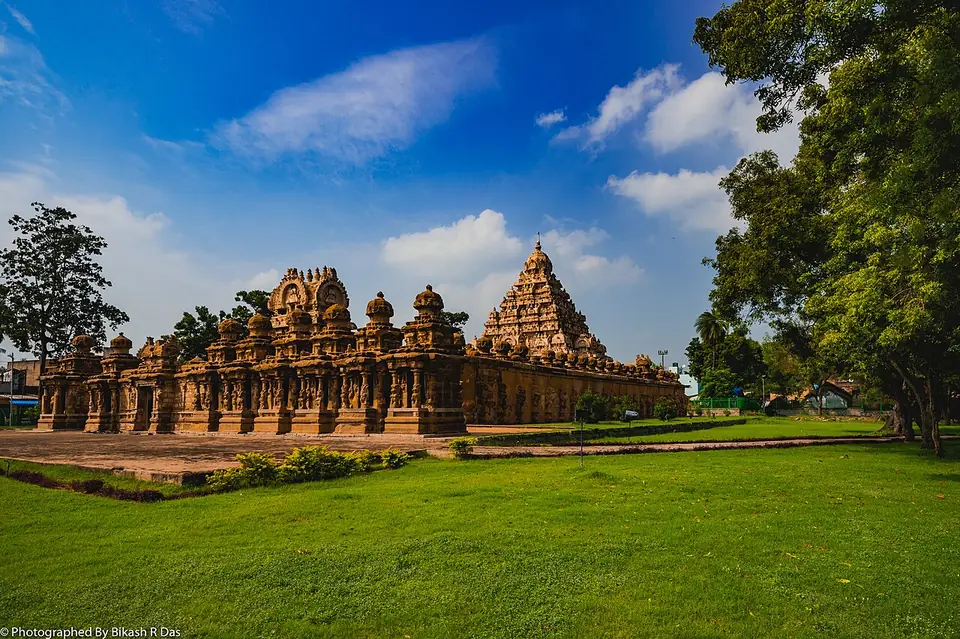
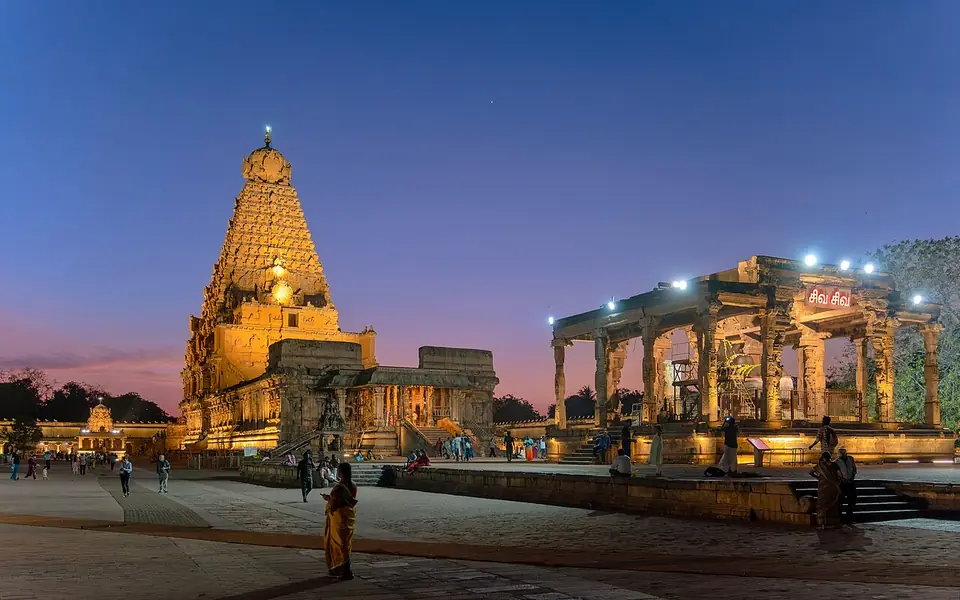
Thanjavur's Brihadeeswarar, Rameswaram's corridors and the temples of Kanchipuram. See Pilgrimage tours and Cultural holidays.
 When to go
 When to go
 When to go
 When to go