
A well-planned educational tour can bring a syllabus to life. Here is a practical framework for teachers and school administrators.
1. Start with learning goals
Agree on what students should learn. For example:
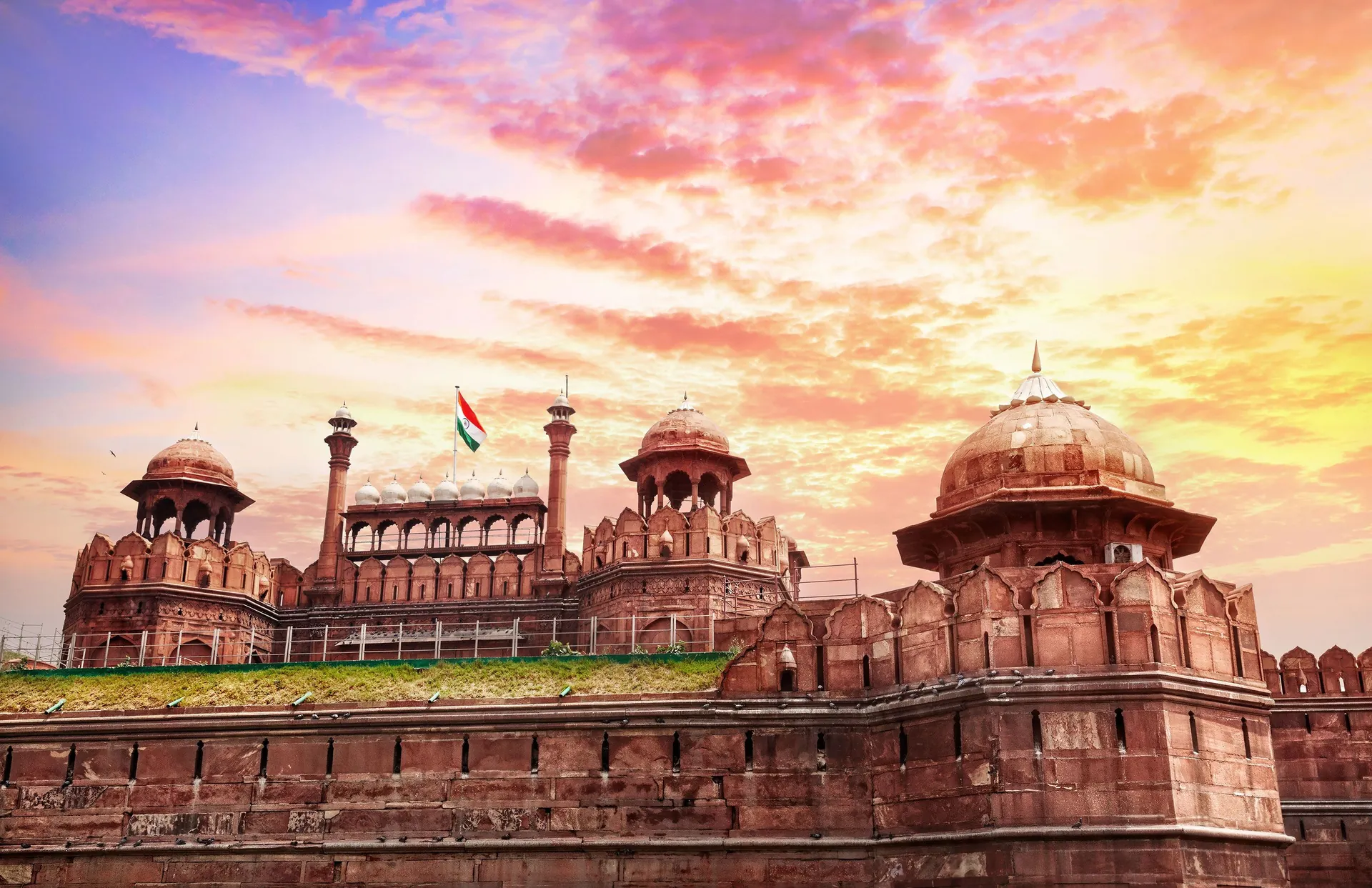
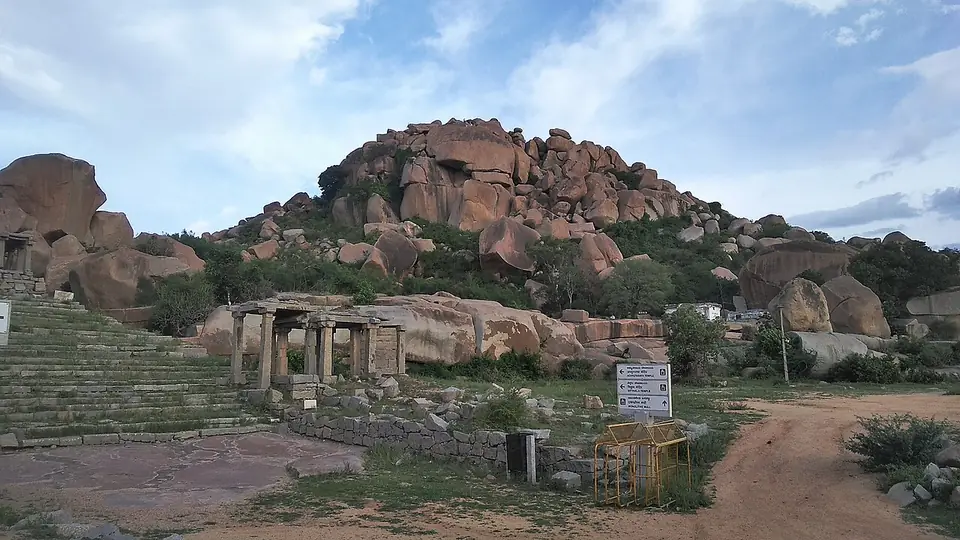
- History: Mughal architecture in Delhi and Agra, Vijayanagara in Hampi.
- Science and astronomy: the Jantar Mantar observatory in Jaipur.
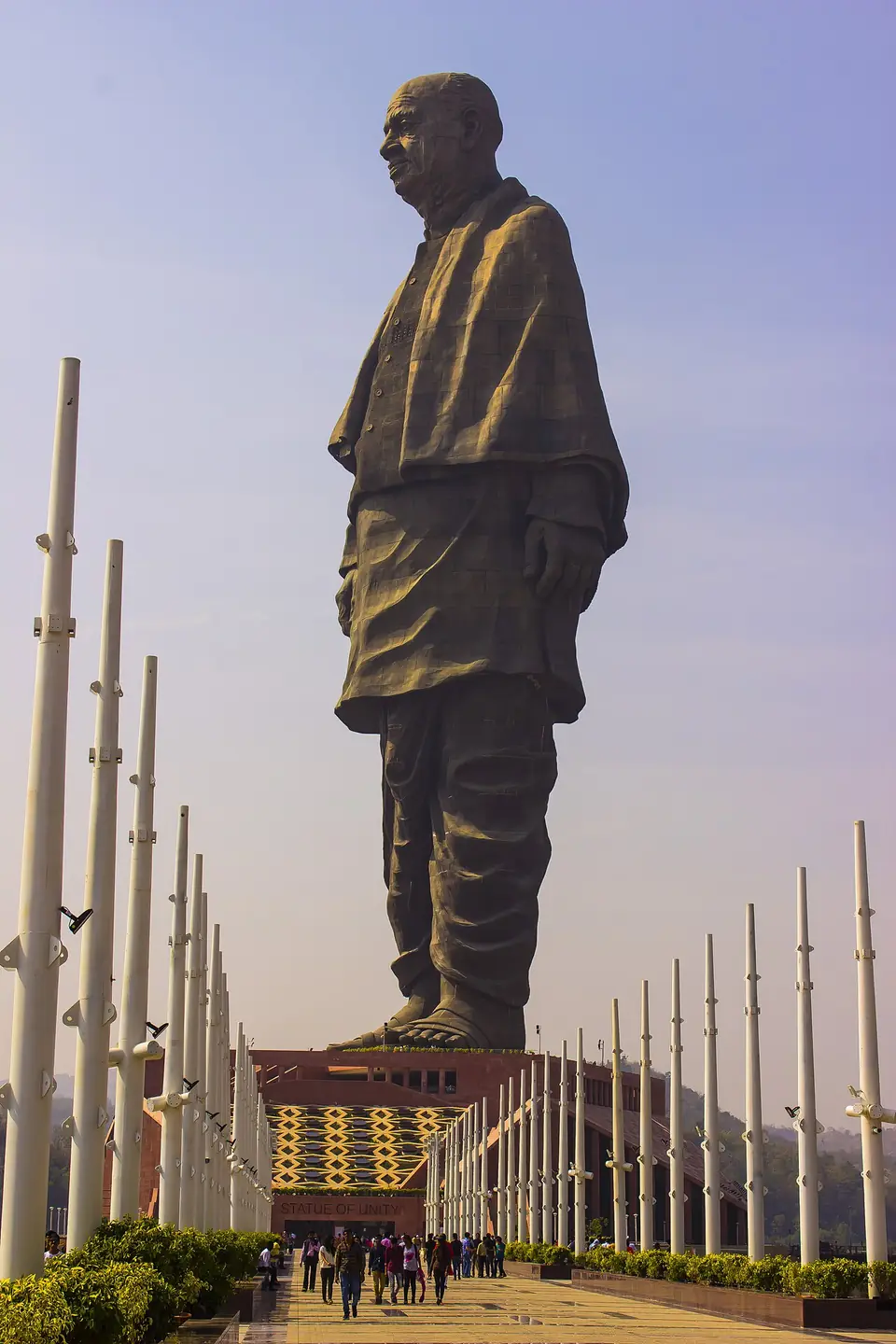
- Engineering and geography: the Sardar Sarovar Dam and Statue of Unity at Statue of Unity (Ekta Nagar), tea estates in Munnar.
- Environment: mangroves in the Sundarbans, biodiversity in the Western Ghats.
2. Choose a destination and length
Two to four nights works for most school trips. Overnight trains are fun for students and reduce hotel nights, but need supervision planning.
3. Safety and supervision
- Agree on a teacher-to-student ratio, with separate supervision for boys and girls.
- Choose hotels where the group can be on one floor.
- Share emergency contacts, medical details and allergies.
- Use licensed vehicles and drivers, and avoid night driving on highways where possible.
- Carry a first-aid kit.
4. Permissions and documents
- Parental consent forms.
- Student ID cards.
- Permissions from the school management.
- For international trips, passports, visas and parental consent for minors.
5. Activities
Mix site visits with hands-on activities: workshops (block printing, pottery), museum programmes, nature walks and guided talks.
6. Food
Plan simple, hygienic meals and cater for vegetarian and allergy needs. Carry snacks and water.
7. After the trip
Assign projects, presentations or journals so learning continues.
How we help
We plan routes around learning goals, brief licensed guides for student groups, arrange secure hotels and supervised schedules, and share detailed day plans with teachers. See Educational tours.
 When to go
 When to go
 When to go
 When to go