
Seeing the aurora borealis dance across the sky is on many travellers' bucket lists. It is a natural phenomenon, so it can never be guaranteed, but you can stack the odds in your favour.
Where to go
The aurora is seen most often under the "auroral oval", far in the north:
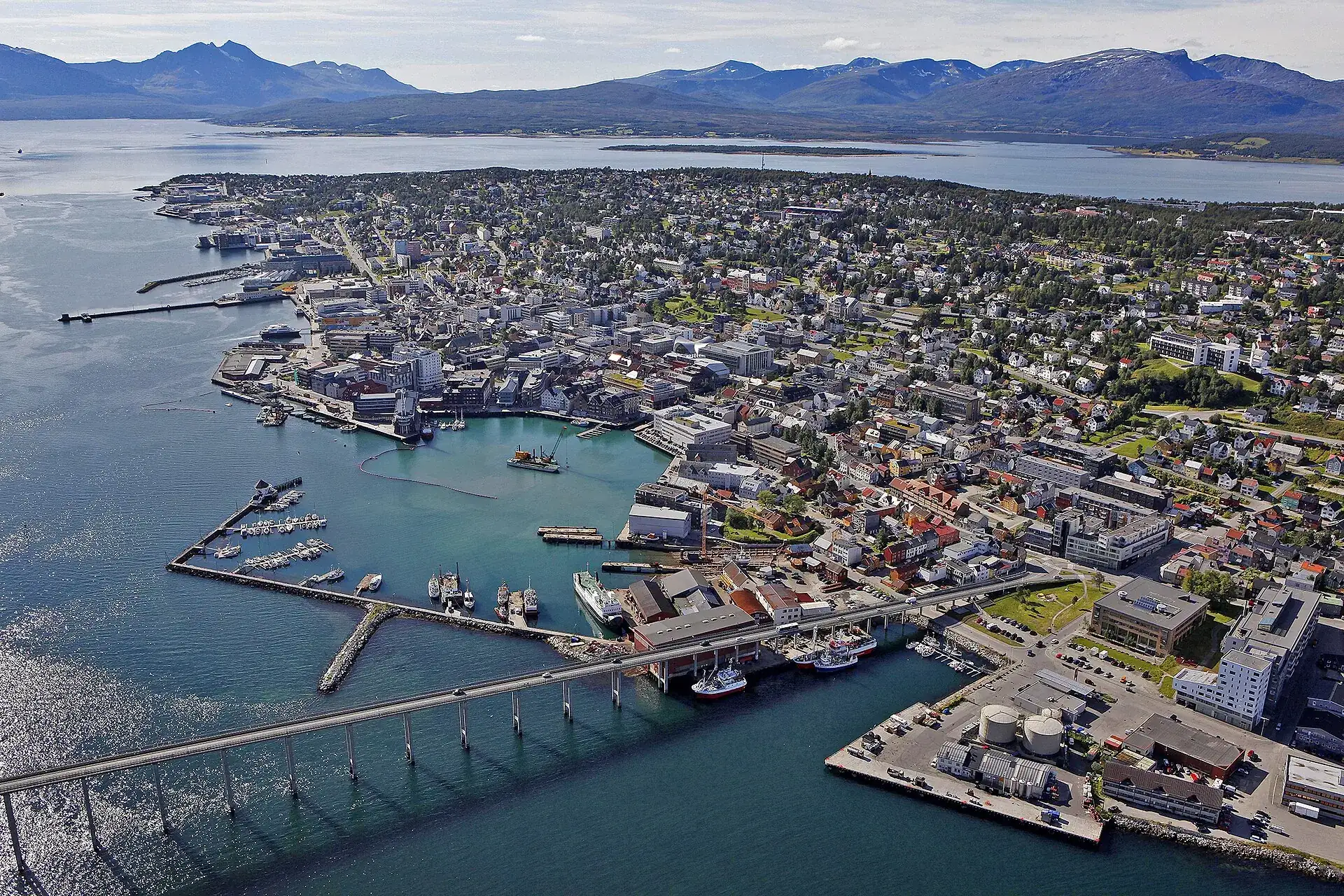
- Tromsø, Norway: a city above the Arctic Circle with fjords, whale watching and good aurora chances.
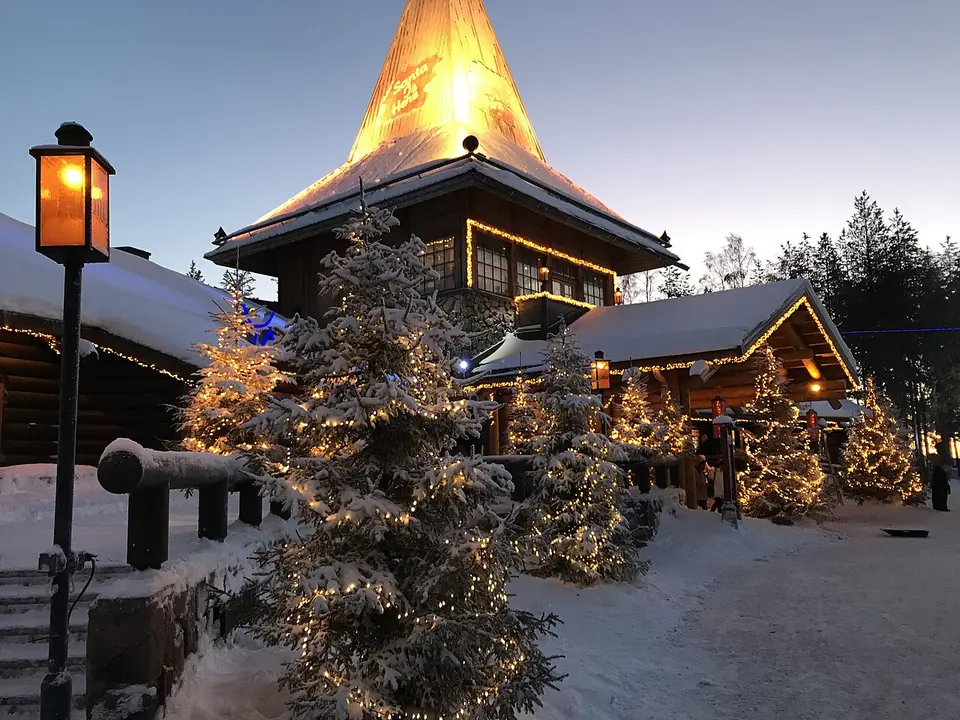
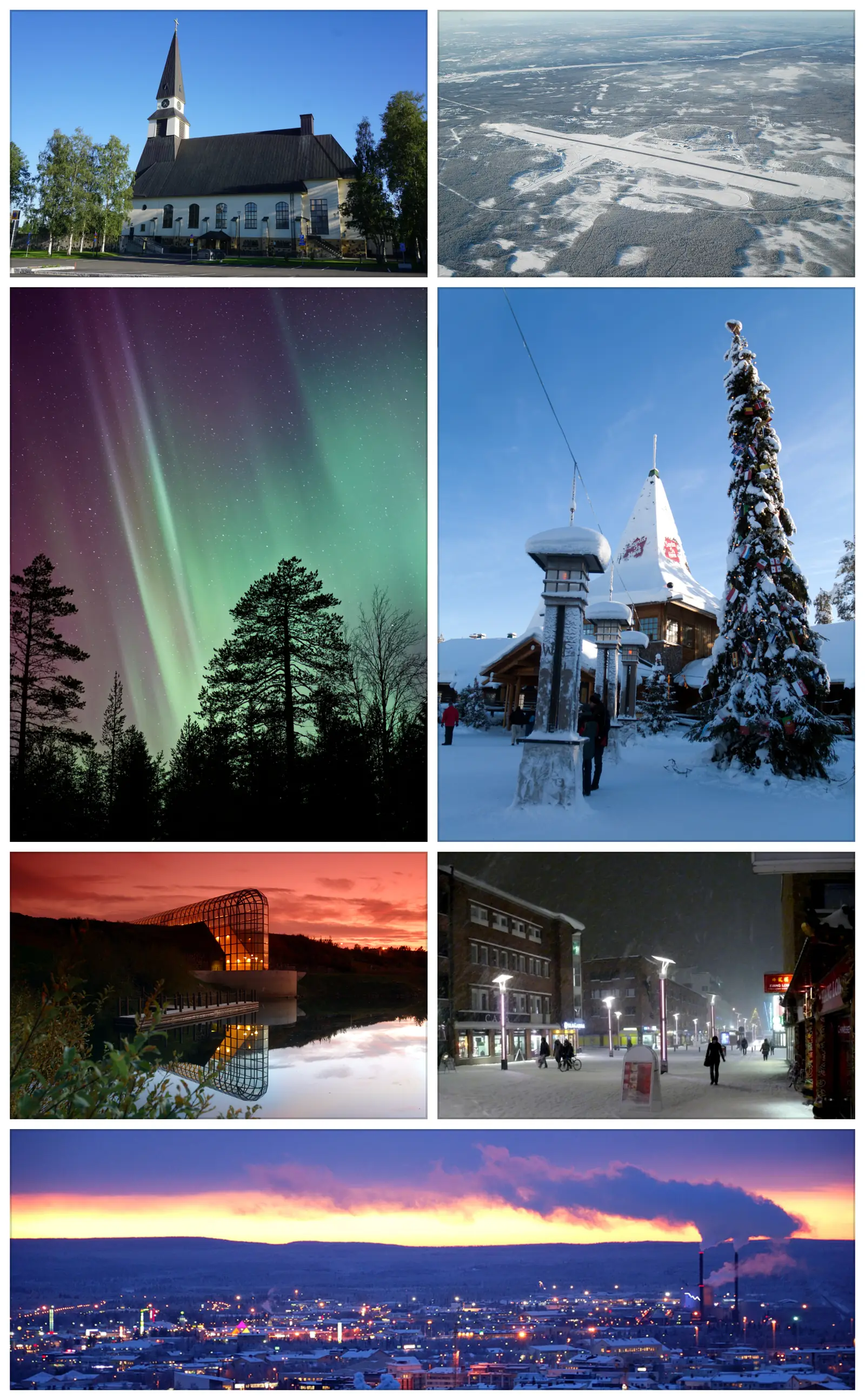
- Rovaniemi (Lapland) and Finnish Lapland: glass igloos, husky safaris and Santa Claus Village, great for families.
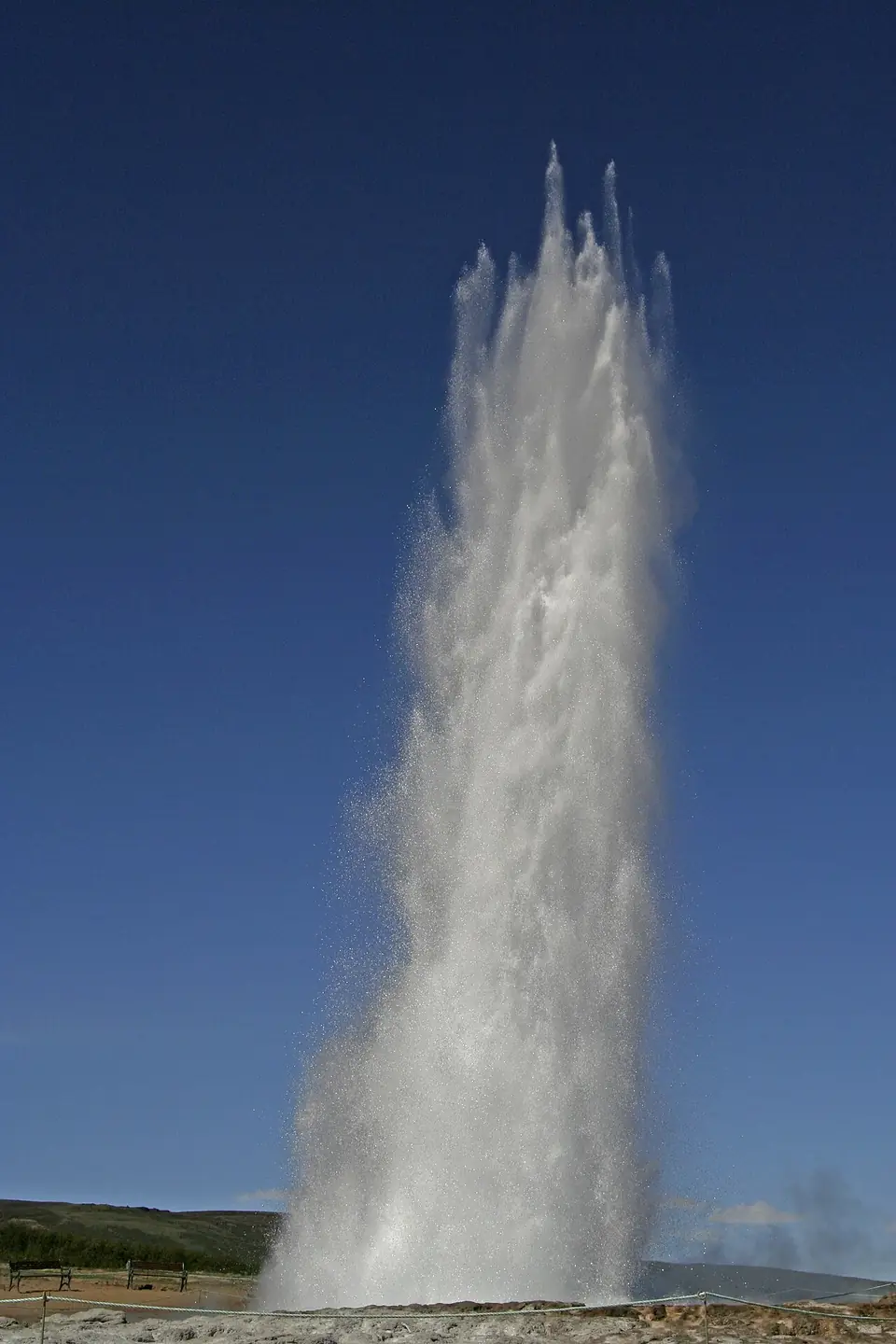
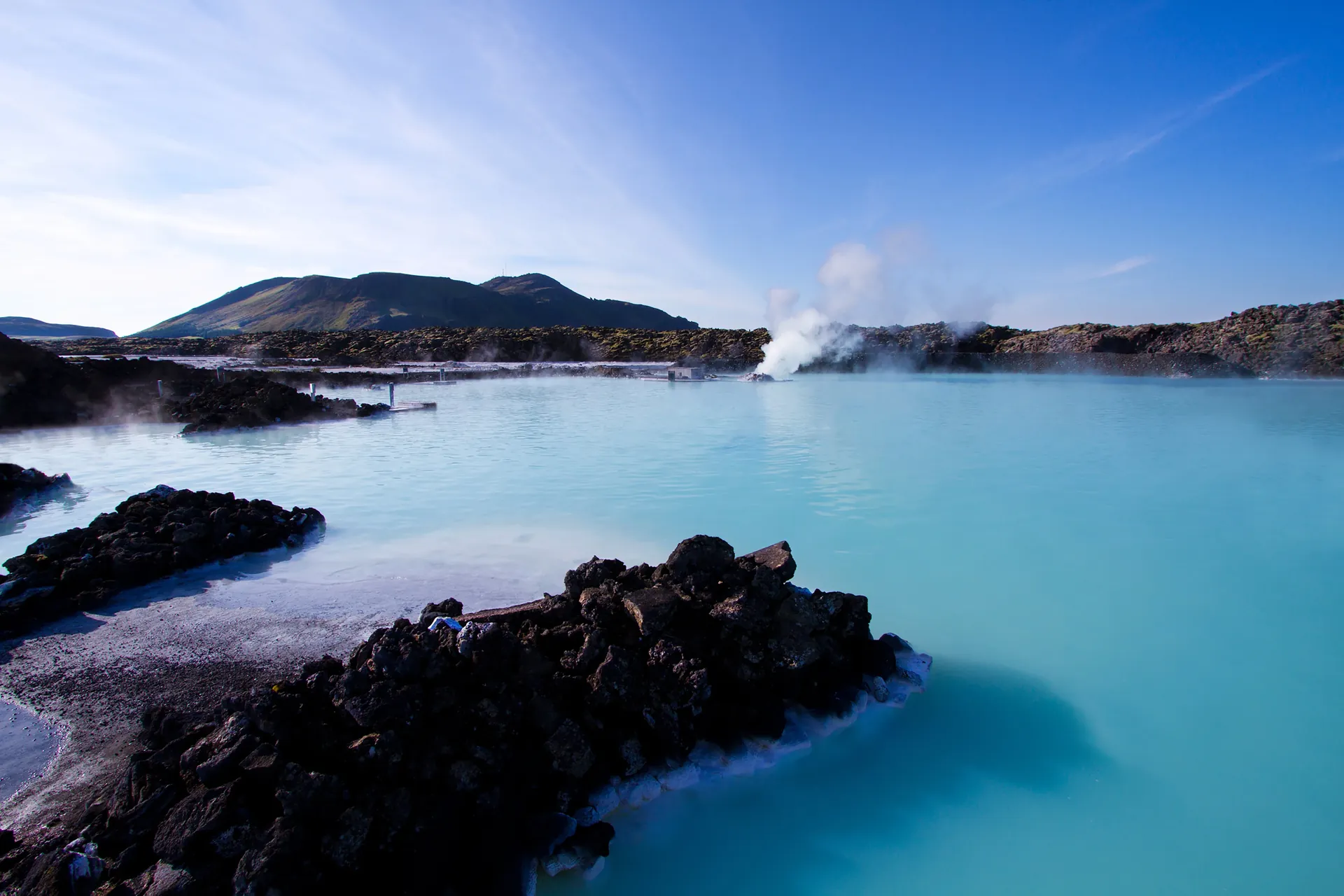
- Iceland: dramatic landscapes and aurora tours from Reykjavík or the countryside.
- Swedish Lapland, such as Abisko, is also excellent.
When to go
The season runs roughly from September to March, when nights are dark. Midwinter (December and January) has the longest nights but is coldest. September, October and March offer milder temperatures.
How many nights?
Plan at least three to four nights in an aurora area. Cloud cover is the main enemy, so more nights mean more chances of a clear sky.
Improve your chances
- Get away from city lights. Guided aurora "chases" drive to where skies are clear.
- Check aurora forecasts and cloud forecasts.
- Be patient; displays can appear late at night.
What to wear
Temperatures can be well below freezing. Wear thermal layers, an insulated jacket, warm boots, hat and gloves. Many tours provide thermal suits. See Packing for Europe in winter: staying warm without overpacking.
Photography
- Use a tripod and a camera with manual settings.
- Use a wide-angle lens, a high ISO and long exposures.
- Modern smartphones with night modes can capture the aurora surprisingly well.
Realistic expectations
The aurora can be faint green to the eye and more colourful in photos. Strong displays are spectacular, but they depend on solar activity.
Combine with other activities
Husky sledding, snowmobiling, reindeer farms and whale watching make the trip rewarding even on cloudy nights. See Festival and seasonal trips.
 When to go
 When to go
 When to go
 When to go