
Much of Ladakh lies close to sensitive borders, so visiting certain areas requires a permit. For Indian citizens this is called an Inner Line Permit (ILP). It is straightforward, but you must have it before you go.
Which areas need a permit
Permits are required for protected areas such as:
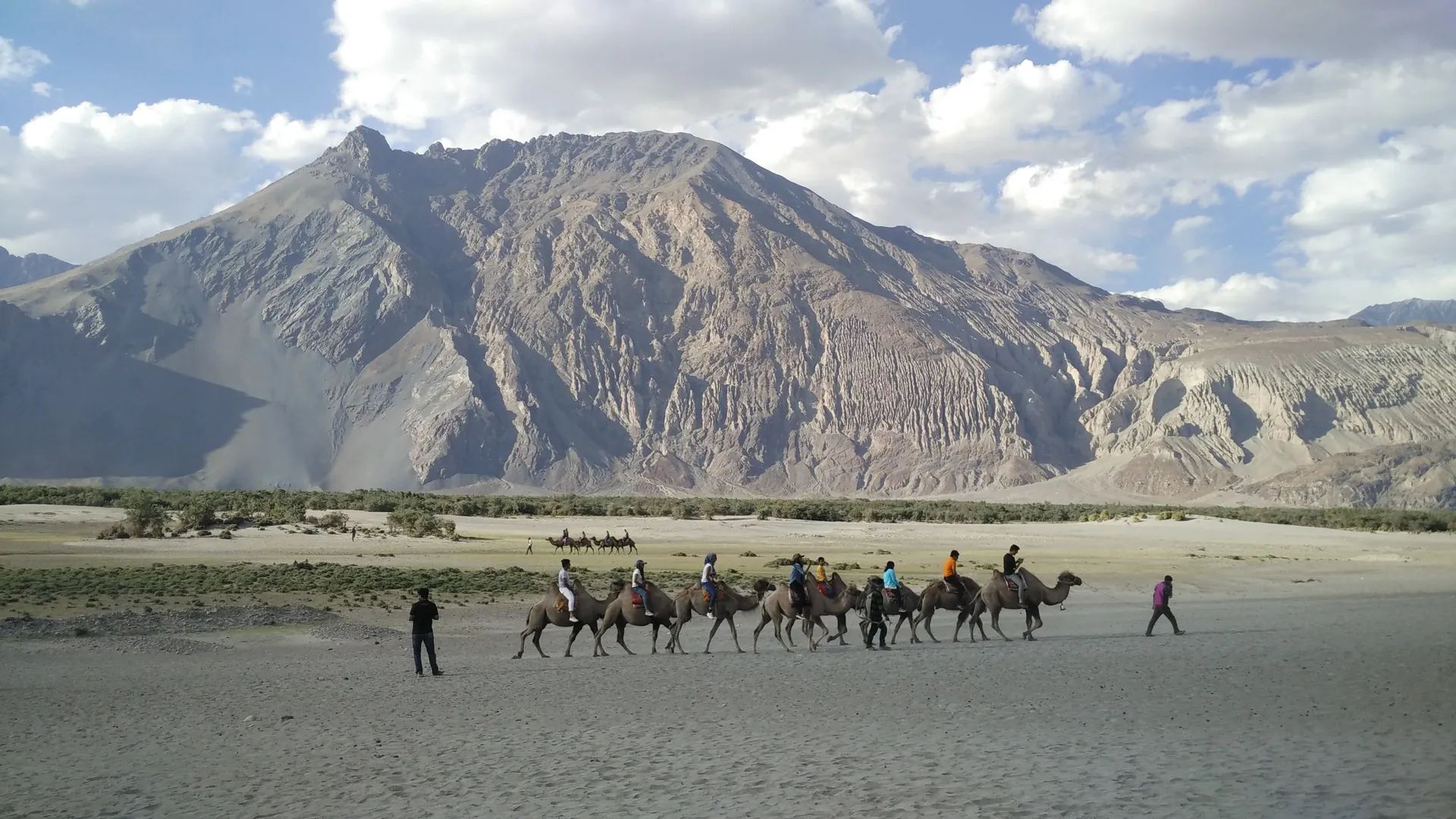
- the Nubra Valley, including Hunder, Diskit and Turtuk
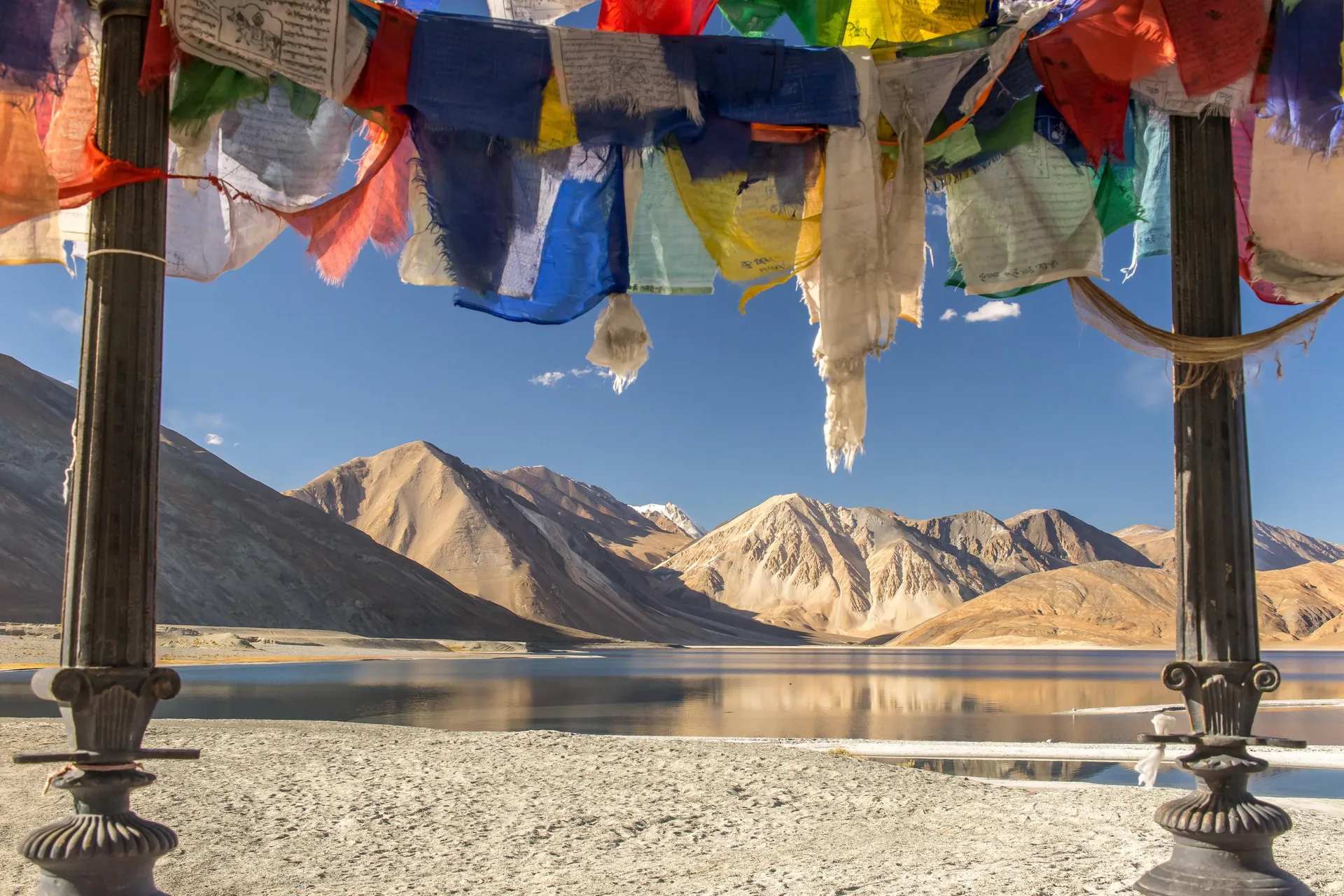
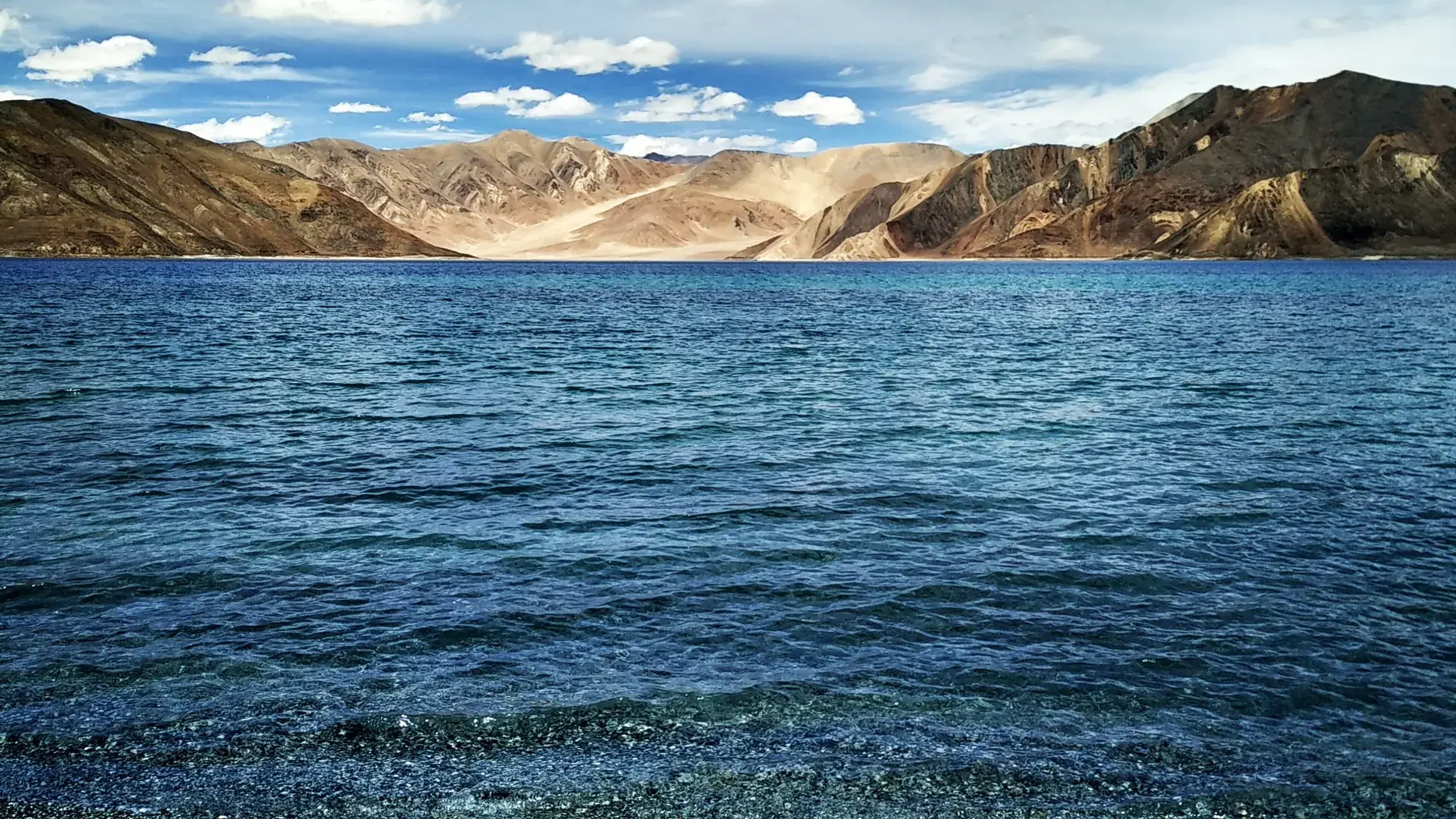
- Pangong Lake
- Tso Moriri and the Changthang plateau
- some other border villages
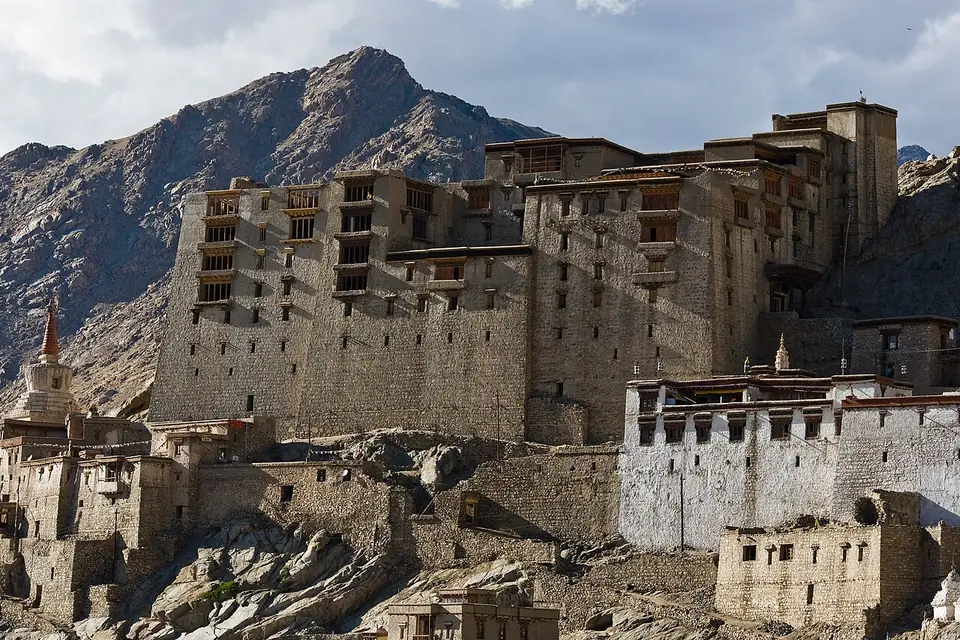
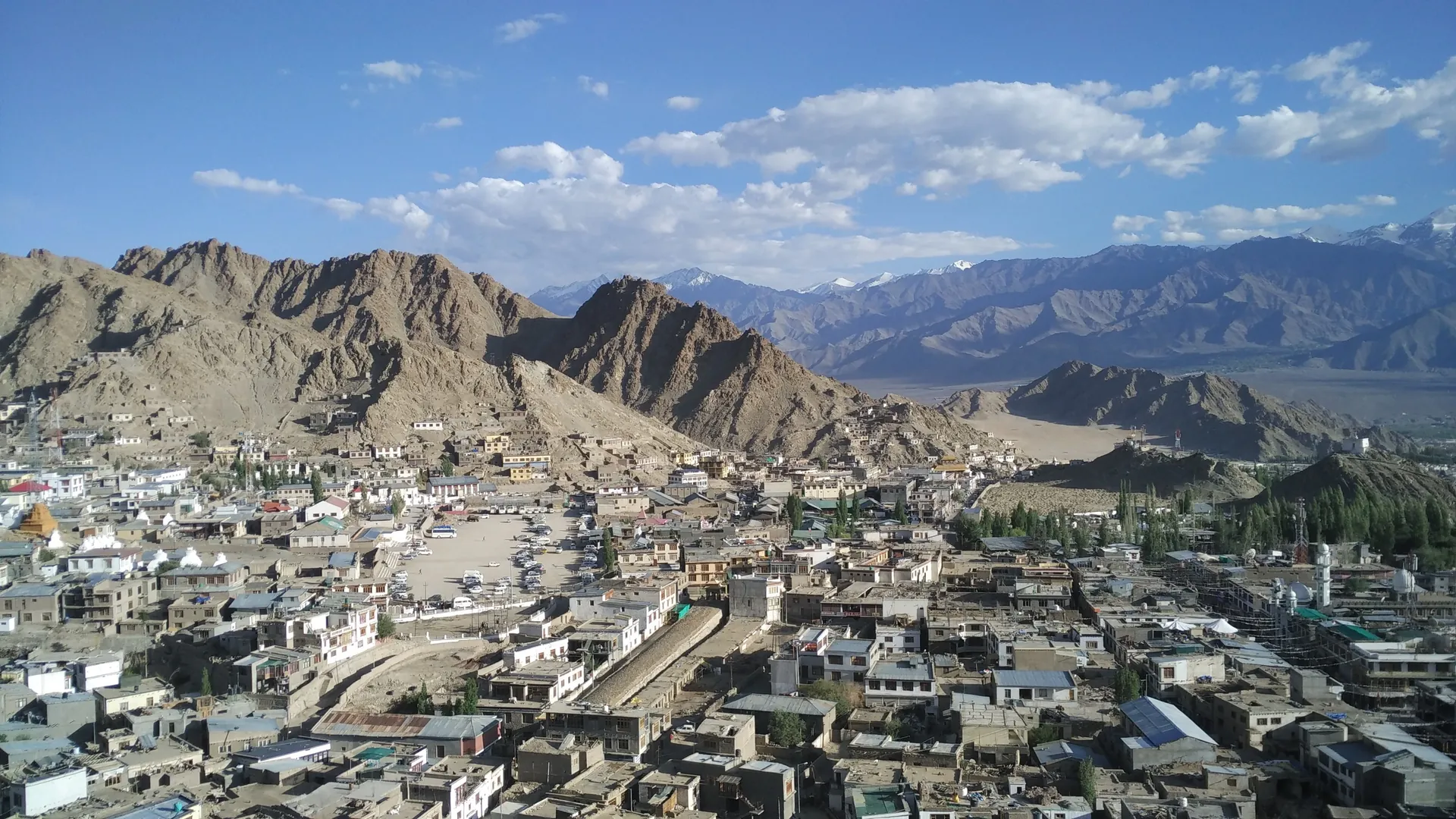
Leh town and the monasteries of the Indus Valley, such as Thiksey and Hemis, do not need a permit.
How to get one
Indian travellers apply online through the Ladakh administration's portal, or through a registered travel agent. The application needs:
- a valid photo ID for each traveller
- the itinerary and dates for the protected areas
- payment of the applicable fees, which include an environmental fee and other charges
Permits can be printed once approved. Rules, fees and processes change, so check the official portal or ask us before you travel.
On the road
- Carry several printed copies of the permit and your original ID.
- Checkpoints on the way to Nubra and Pangong will check and sometimes keep a copy.
- Travel only within the dates and areas on the permit.
Foreign nationals
Foreign citizens need a Protected Area Permit with different rules, usually arranged through a registered agent and often for groups.
Combined with acclimatisation
Most itineraries spend the first two days in Leh, which is a good time to get permits sorted if they were not done in advance. See Ladakh in 7 days: a safe, acclimatised itinerary and Altitude sickness: what travellers to Ladakh and the Himalaya should know.
 When to go
 When to go
 When to go
 When to go