
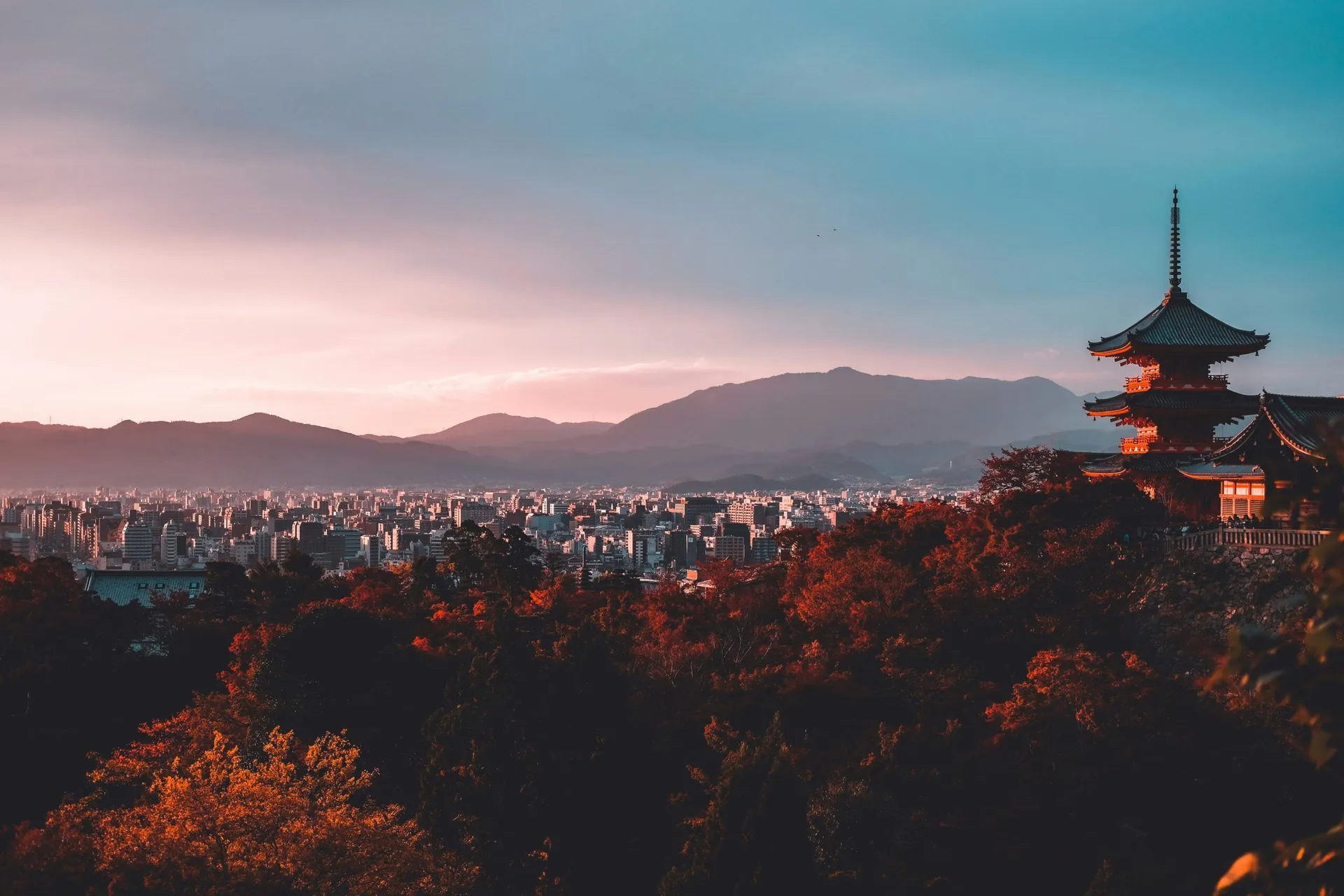
Japan runs on courtesy and quiet consideration for others. Visitors are not expected to know every rule, but a few habits make a big difference.
Shoes
Remove shoes when entering homes, ryokan, some restaurants, temples and fitting rooms. Look for a step up or a shoe rack. Ryokan provide slippers, with separate slippers for toilets.
Trains
- Queue in lines marked on the platform.
- Keep phone calls off trains and keep your voice low.
- Avoid eating on local trains; eating on long-distance Shinkansen is fine.
- Priority seats are for elderly, pregnant and disabled passengers.
Onsen (hot springs)
- Wash and rinse thoroughly at the shower stations before entering the bath.
- Bathing is done without swimwear, in separate baths for men and women.
- Small towels stay out of the water.
- Some onsen restrict guests with tattoos; ask in advance or choose a private bath.
Dining
- Say "itadakimasu" before eating if you like; locals appreciate it.
- Do not stick chopsticks upright in rice or pass food chopstick to chopstick; both are associated with funerals.
- Slurping noodles is normal.
- Tipping is not customary and can cause confusion.
Rubbish
Public bins are rare. Carry a small bag for rubbish and sort it into the categories at stations or convenience stores.
Walking and eating
Eating while walking on busy streets is frowned upon in many places. Stand near the stall or vending machine.
Temples and shrines
- At shrines, purify your hands and mouth at the water basin following the posted steps.
- Photography may be prohibited inside halls.
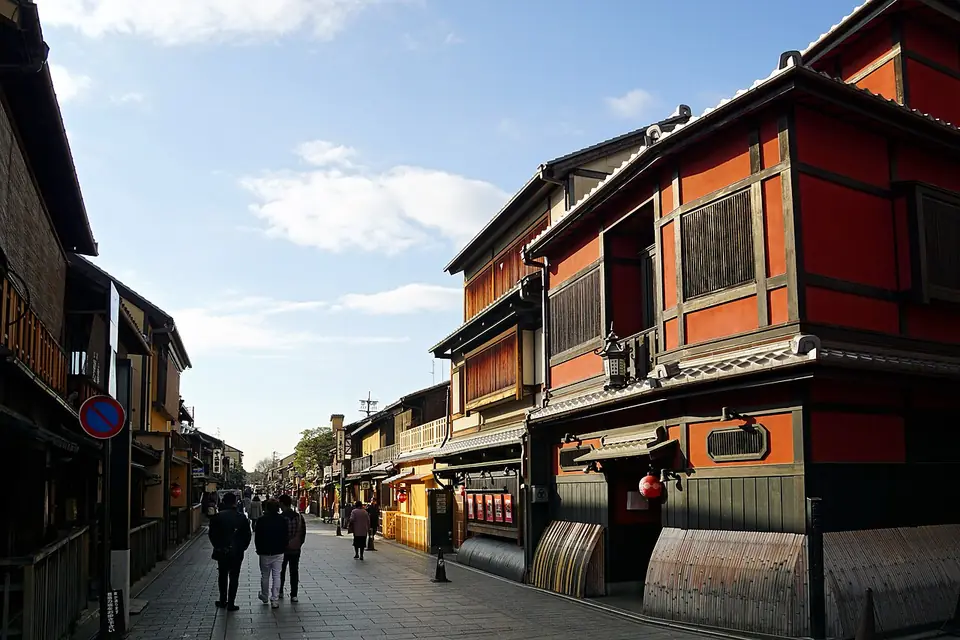
- In Kyoto's Gion district, do not photograph geiko and maiko without permission; some private lanes ban photography.
Cash and cards
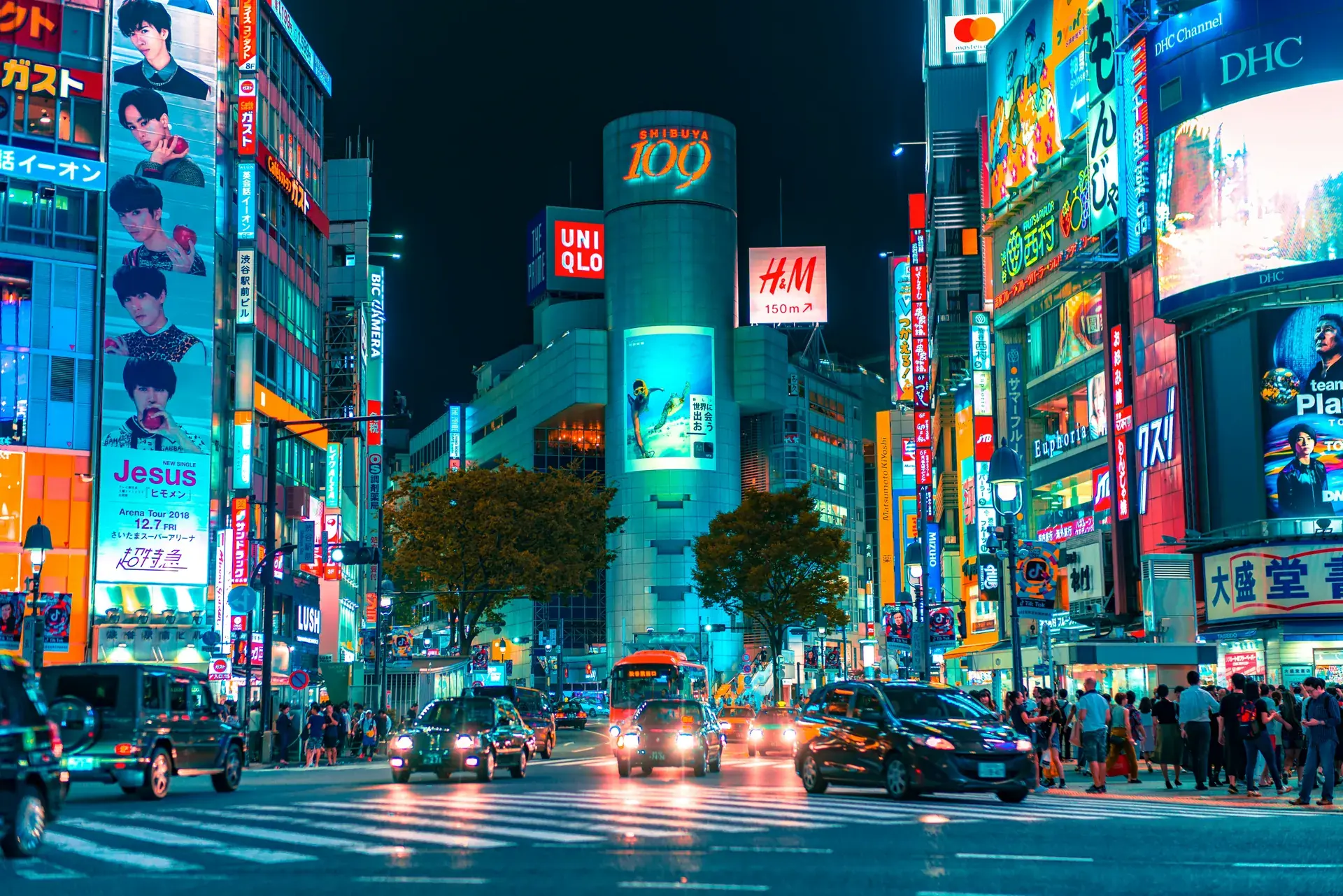
Cards are increasingly accepted in Tokyo and big cities, but carry yen for small restaurants and shrines.

 When to go
 When to go
 When to go
 When to go