
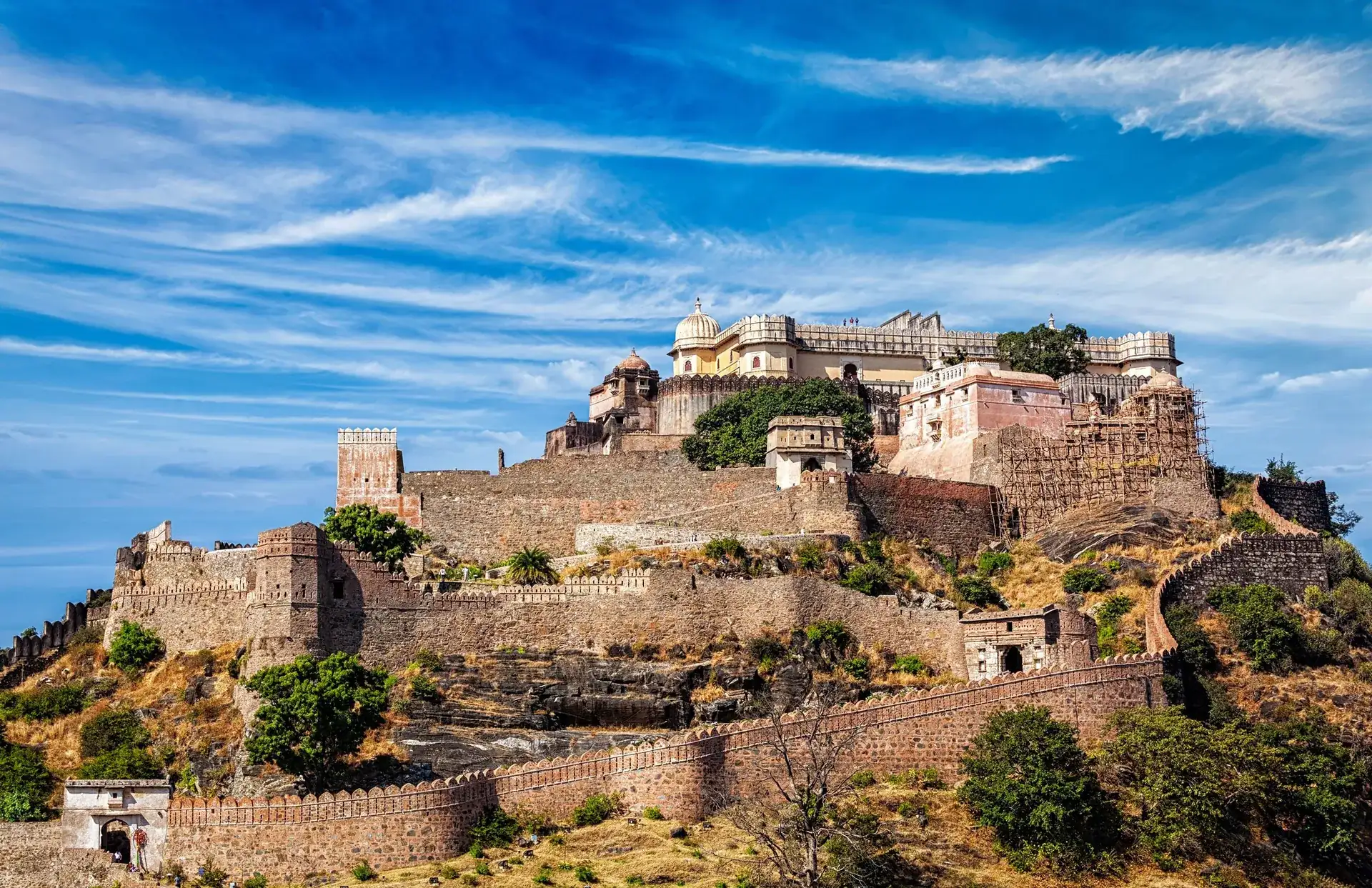
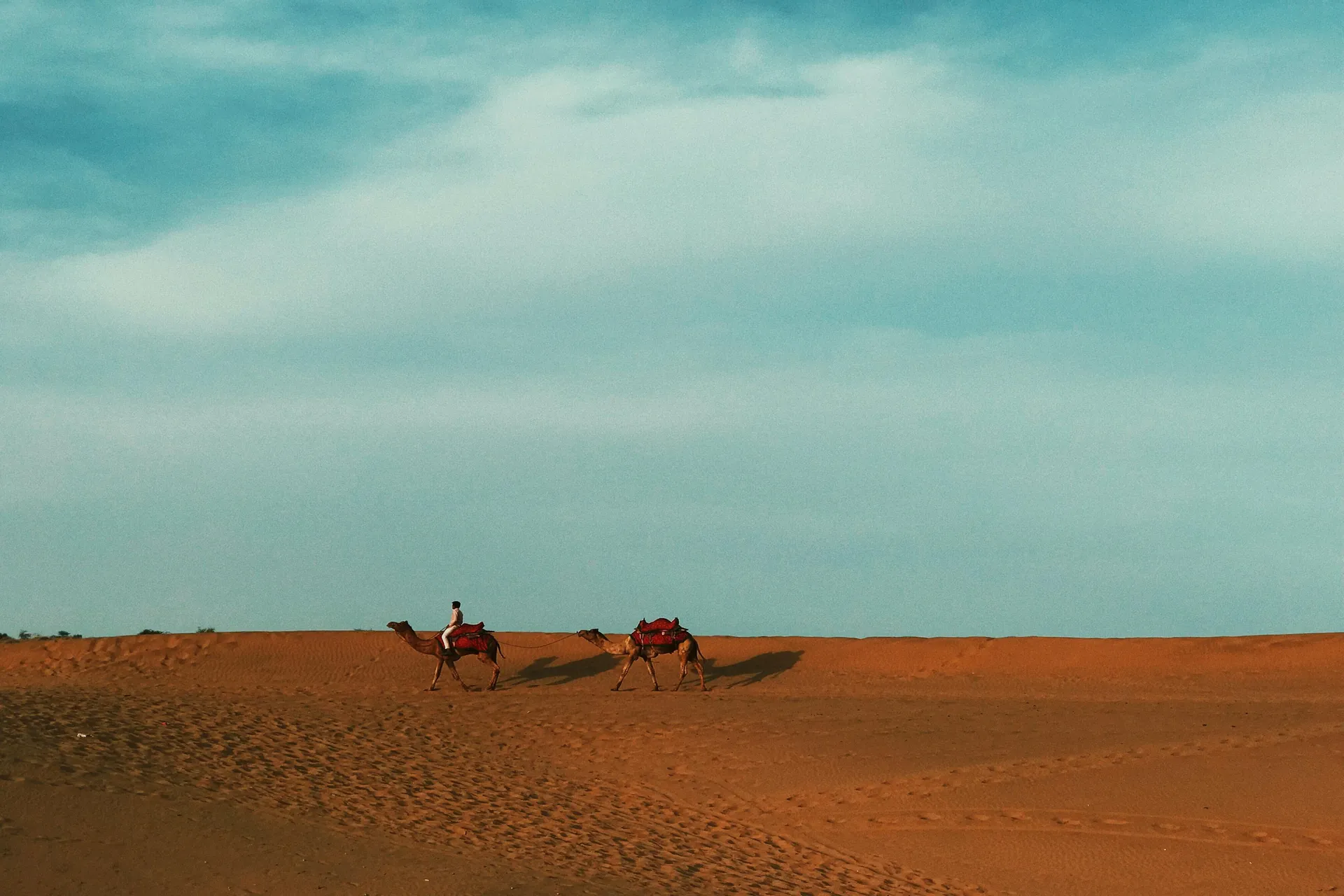
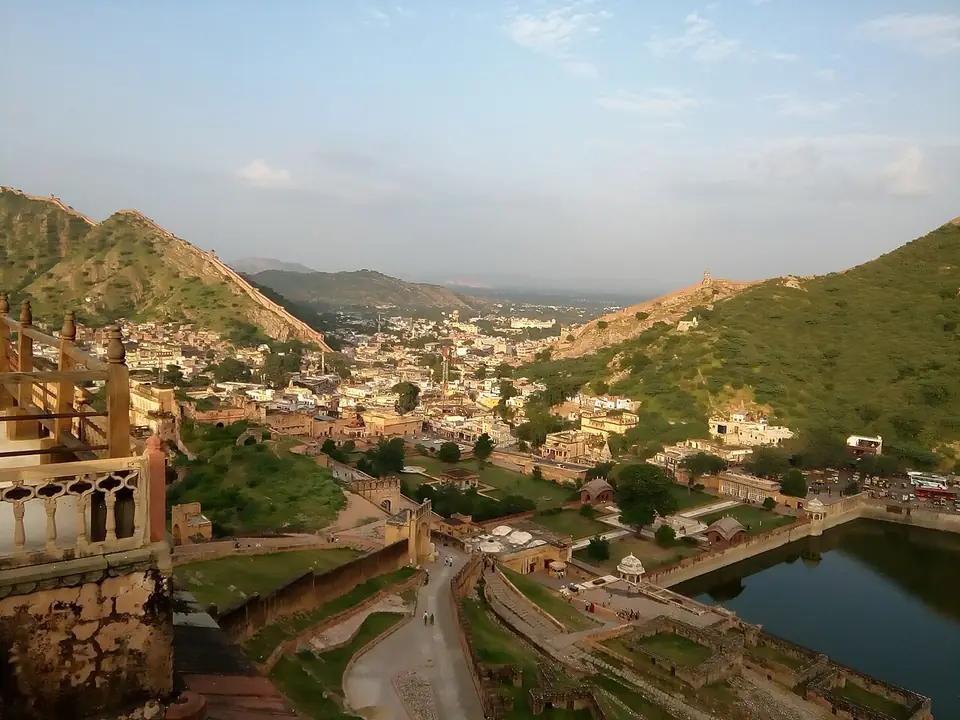
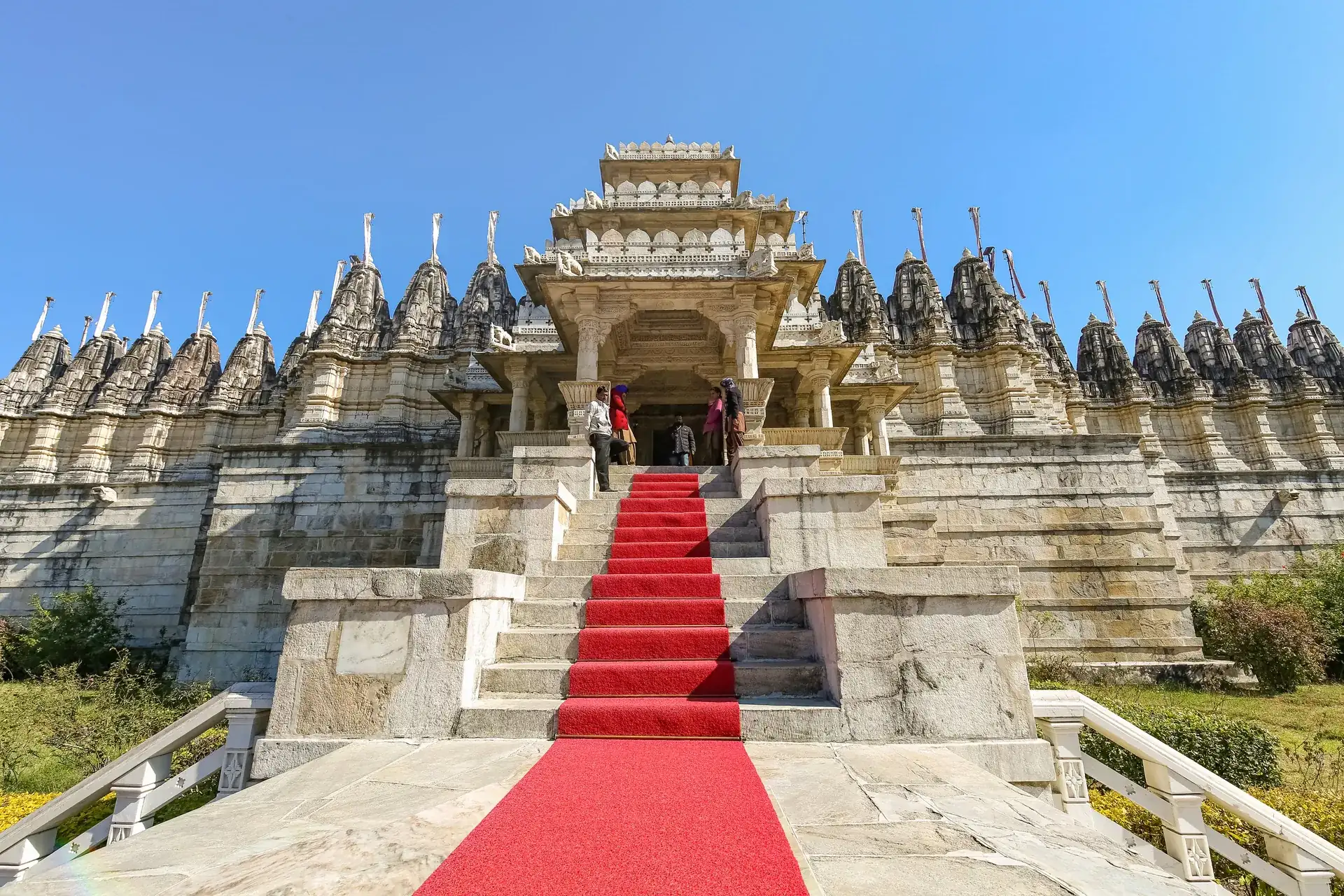
Rajasthan is a land of forts, palaces and desert, and its climate is extreme. Getting the season right makes the difference between a magical trip and an exhausting one.
October to March: the main season
Cool, dry days make sightseeing comfortable across the state. This is the time for the classic circuit of Jaipur, Jodhpur, Jaisalmer and Udaipur.
- October and November are warm by day and pleasant by night. The Pushkar Camel Fair usually falls in this period.
- December and January are the coolest months. Days are lovely, but desert nights in Jaisalmer can drop close to freezing, so pack warm layers.
- February and March warm up again; the Jaisalmer Desert Festival is usually in February.
Christmas and New Year are the most expensive weeks, especially at heritage hotels.
April to June: summer heat
Temperatures regularly climb well above 40°C, especially in the Thar Desert. Sightseeing is tiring and desert camps are uncomfortable. Mount Abu, Rajasthan's only hill station, is the exception, and some palace hotels offer good summer rates for those who want to rest in style.
July to September: monsoon
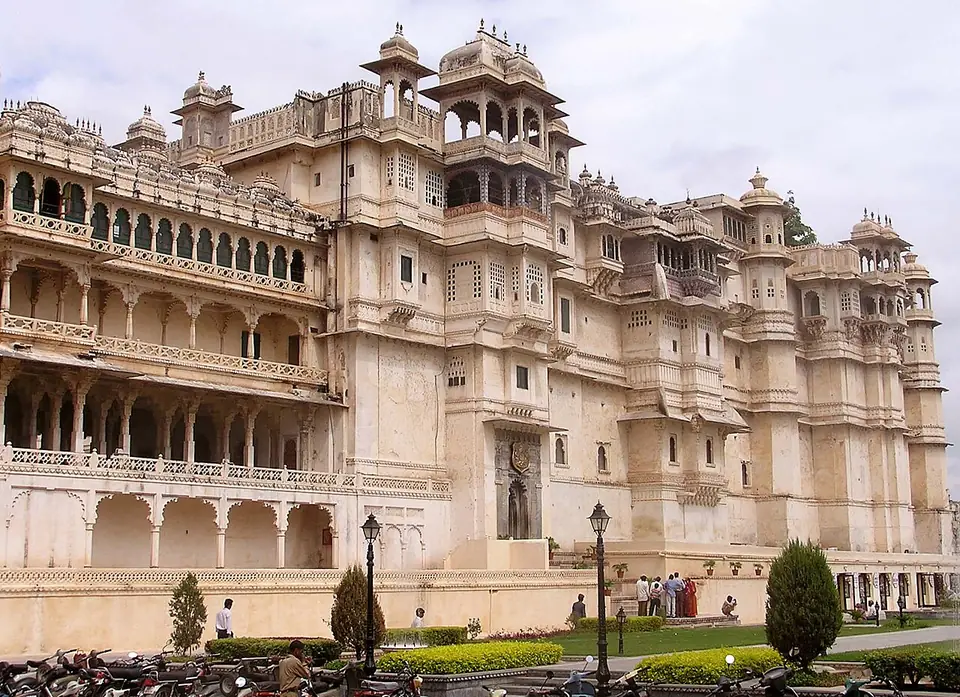
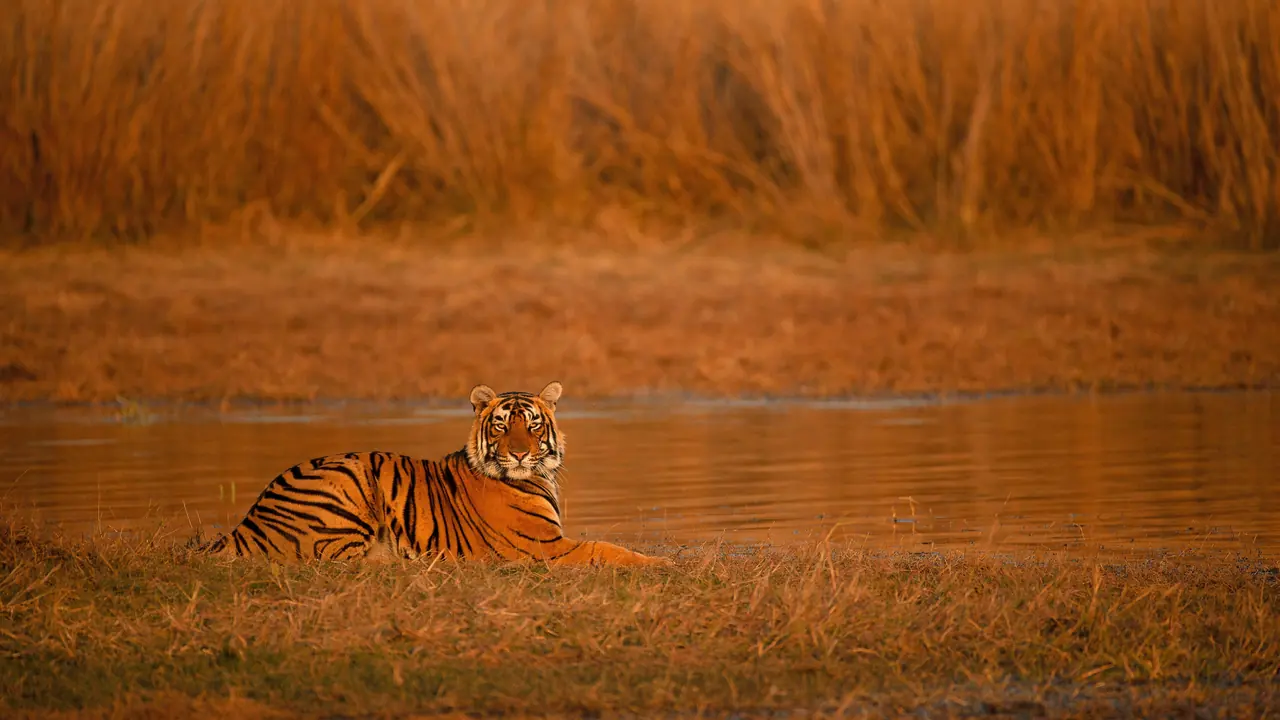
Rainfall is modest in most of the state, but it cools things down. Udaipur's lakes fill up and the city looks its best; the Aravalli hills turn green. It is a pleasant, quieter season for Udaipur and Mount Abu. Tiger reserves such as Ranthambore close their core zones during the monsoon.
Festivals worth planning around
- Pushkar Camel Fair (October or November, by the lunar calendar)
- Jaipur Literature Festival (January)
- Jaisalmer Desert Festival (February)
- Teej and Gangaur, celebrated by women across Rajasthan
Our advice
For a first visit, go between mid-October and mid-March. If you only have summer, focus on Udaipur and Mount Abu and keep sightseeing to early mornings and evenings.
Browse Cultural holidays and Luxury holidays for Rajasthan routes.
 When to go
 When to go
 When to go
 When to go