

Northeast India covers mountains, plateaus and river plains, so the best time depends on where you are going. One rule holds everywhere: the monsoon is heavy, and roads can be disrupted by landslides from roughly June to September.
Sikkim and Darjeeling
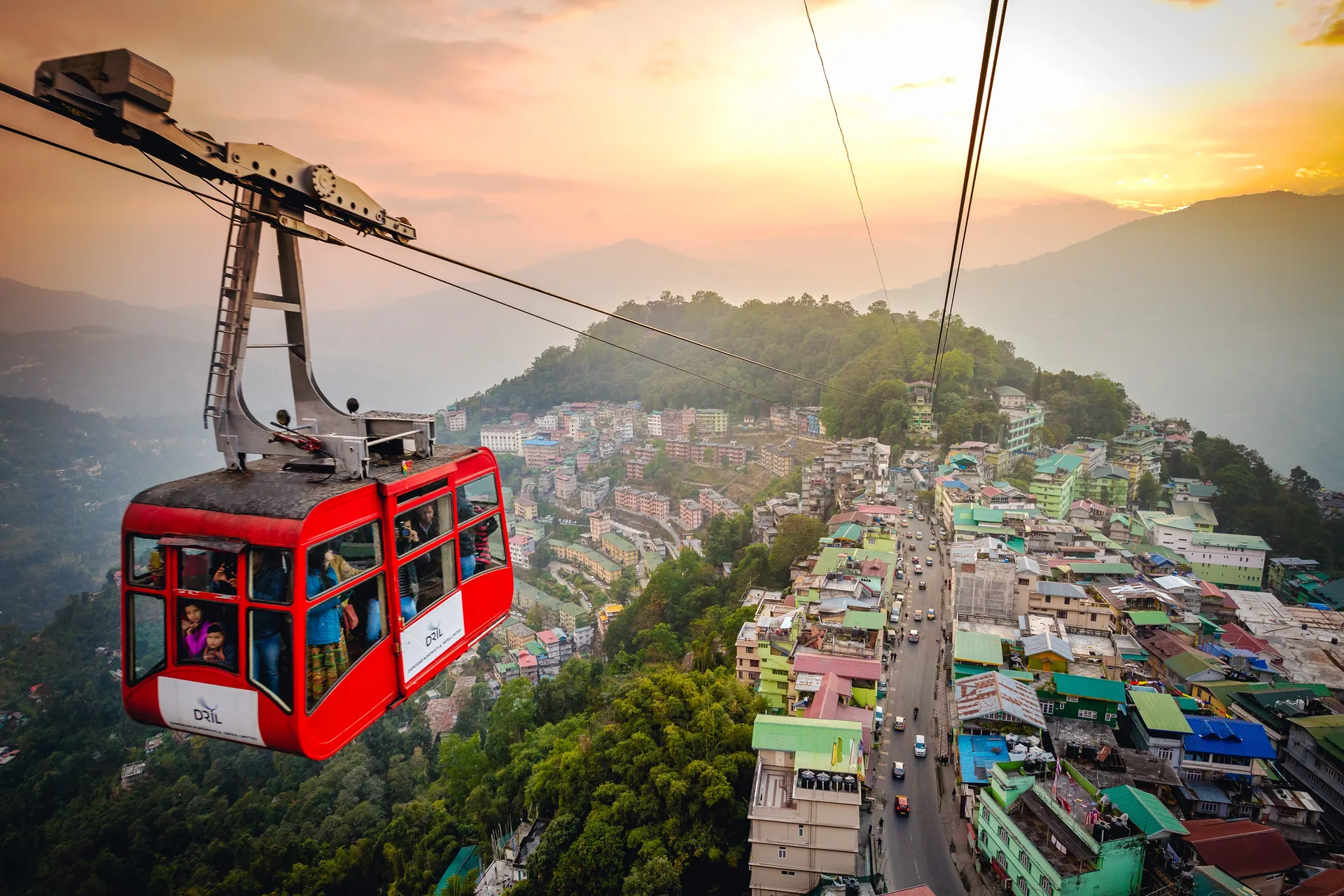
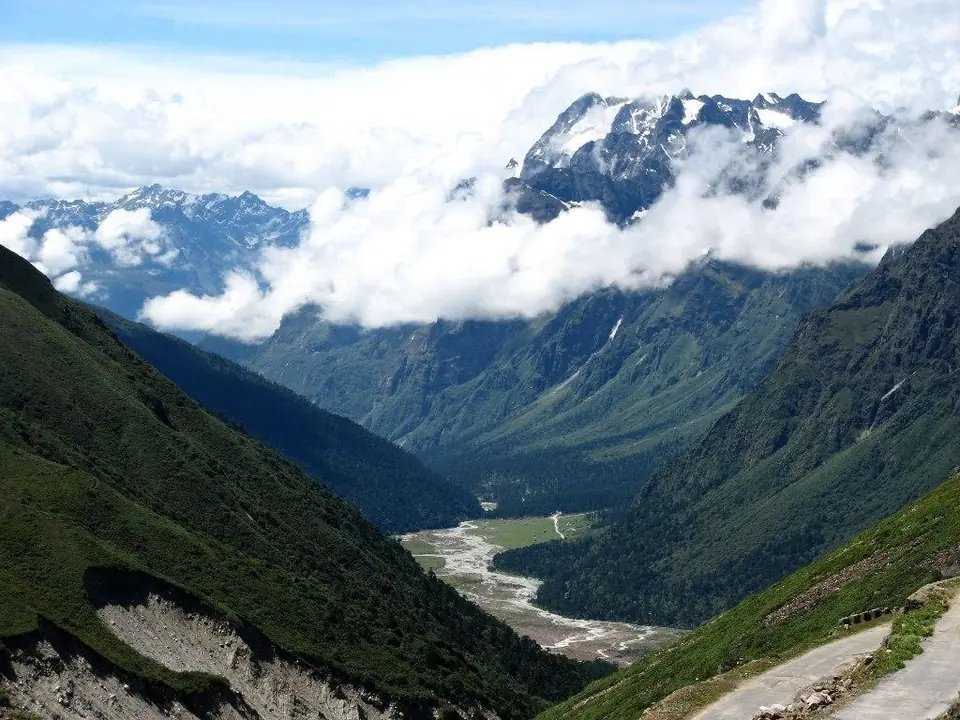
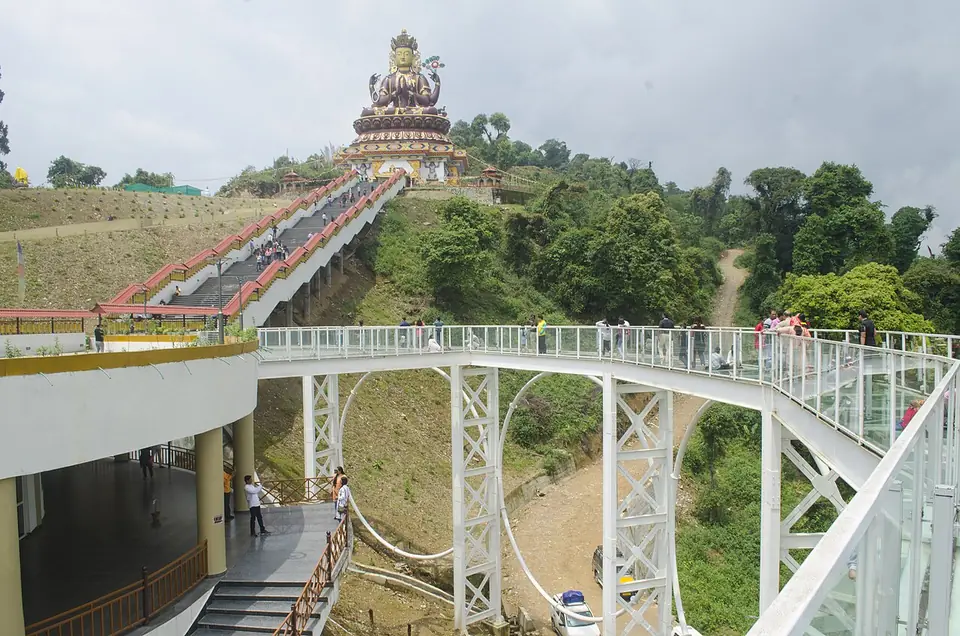
Gangtok, Pelling and Lachung & Yumthang have two excellent windows:
- March to May: rhododendrons bloom in North Sikkim and the weather is pleasant.
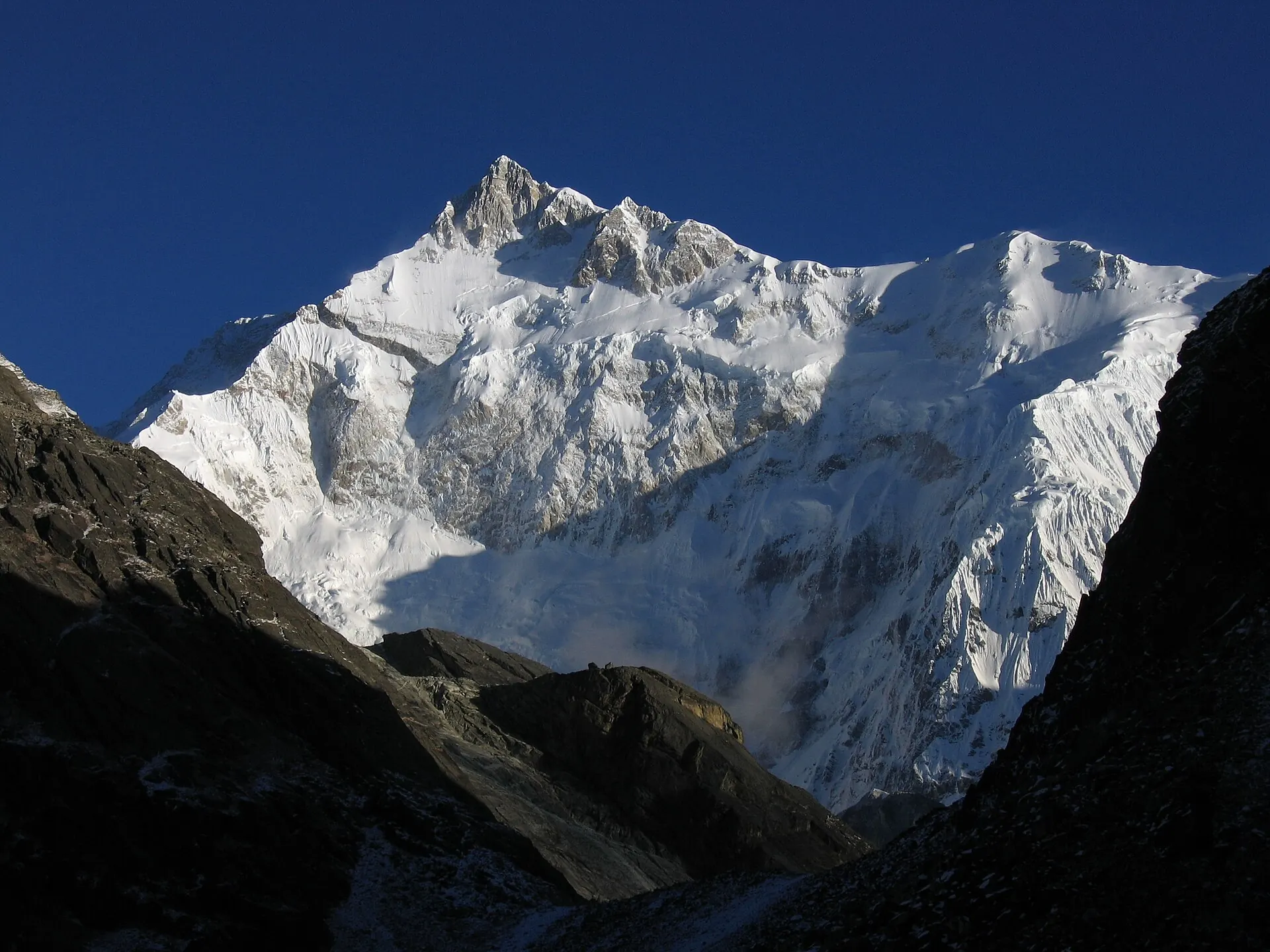
- October to December: the clearest skies and best views of Kanchenjunga.
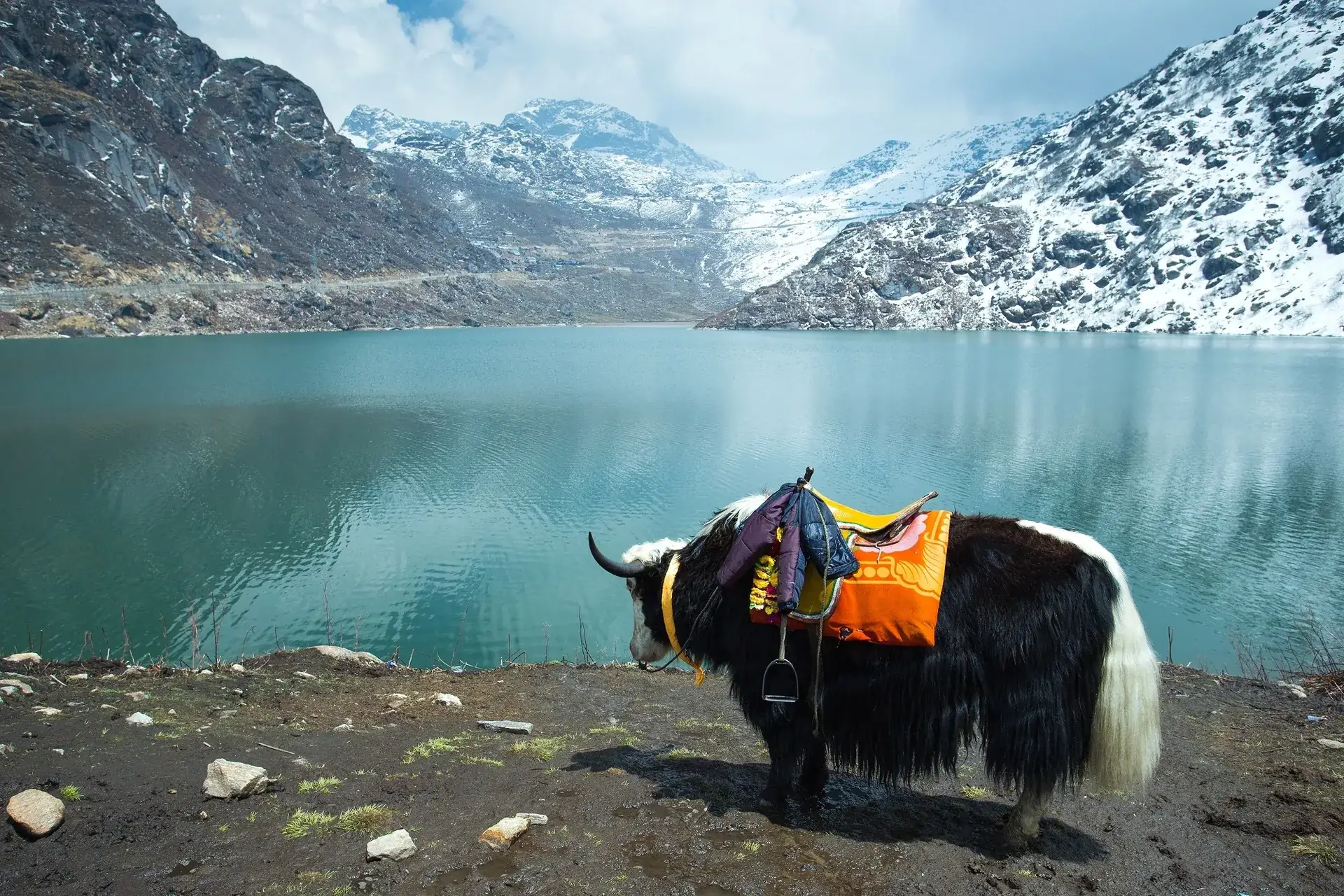
Winter brings snow to high areas such as Zero Point and Tsomgo Lake; some routes may close after heavy snowfall.
Meghalaya
Shillong and Cherrapunji (Sohra) are spectacular in the monsoon, when waterfalls roar, but trekking to the root bridges becomes slippery and views are often hidden in cloud. October to April is better for treks, clear viewpoints and the crystal-clear river at Dawki & Mawlynnong, which is clearest from about December to March.
Assam
Kaziranga National Park National Park is open roughly from November to April and closes during the monsoon floods. Rhino sightings are excellent in the early part of the season, and February to April brings good visibility as grass is cleared.
Arunachal Pradesh
Tawang is best from March to June and September to November. Snow can close the Sela Pass in winter. Ziro Valley hosts its music festival in September.
Nagaland
Kohima is pleasant from October to May. The Hornbill Festival runs in early December every year and fills hotels months in advance.
Permits
Indian visitors need an Inner Line Permit for Arunachal Pradesh and Nagaland, and permits are required for some areas of Sikkim. We arrange these with your booking.
Quick answer
October to April suits most of the Northeast. Pick spring for Sikkim's flowers, winter for Kaziranga and December for Hornbill.
See our Permits for Northeast India: Arunachal, Nagaland, Sikkim and more guide.
 When to go
 When to go
 When to go
 When to go