
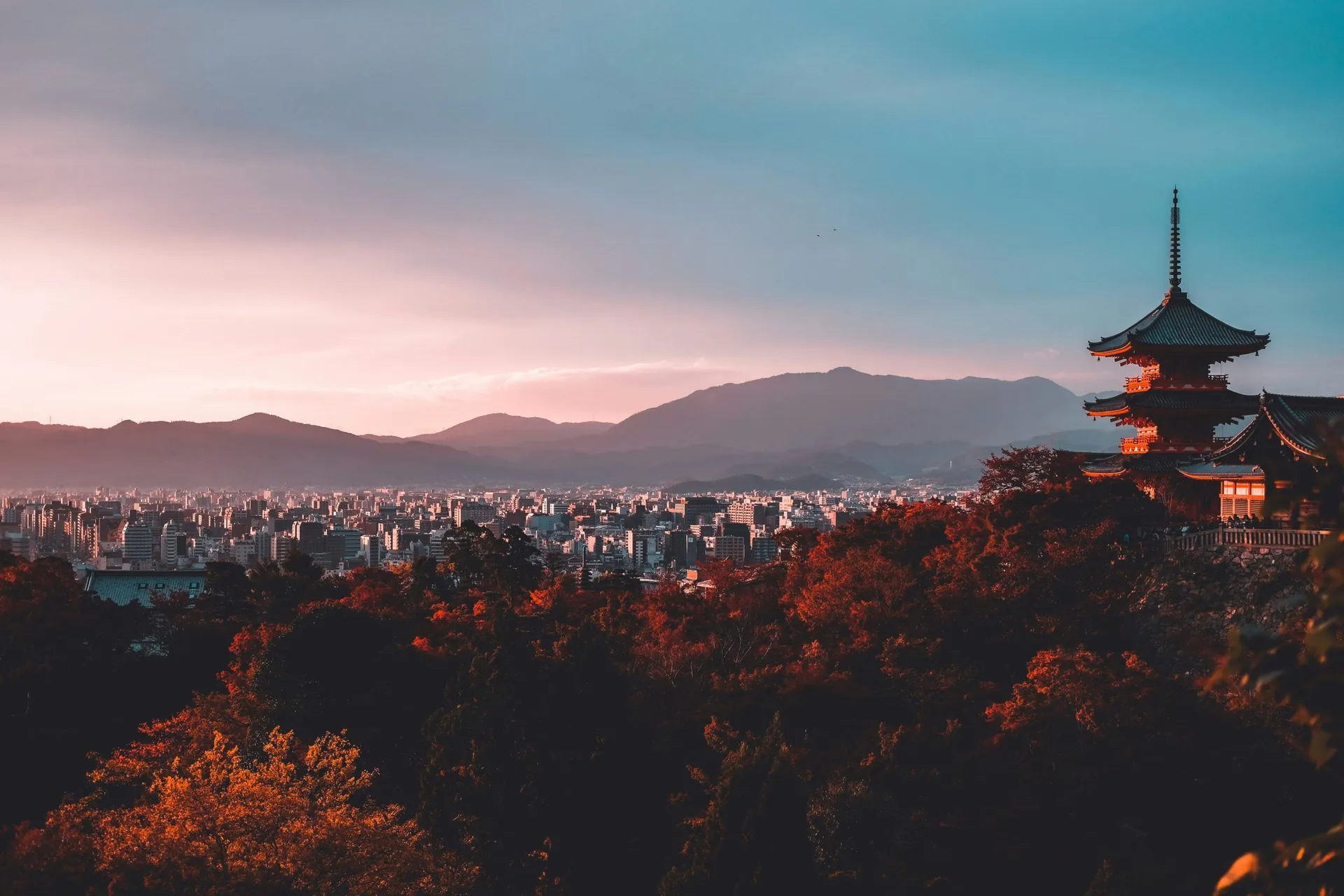
Japan is a four-season country, and each season has its own reason to go. Two are especially famous: cherry blossom in spring and red maples in autumn.
Spring (March to May): cherry blossom
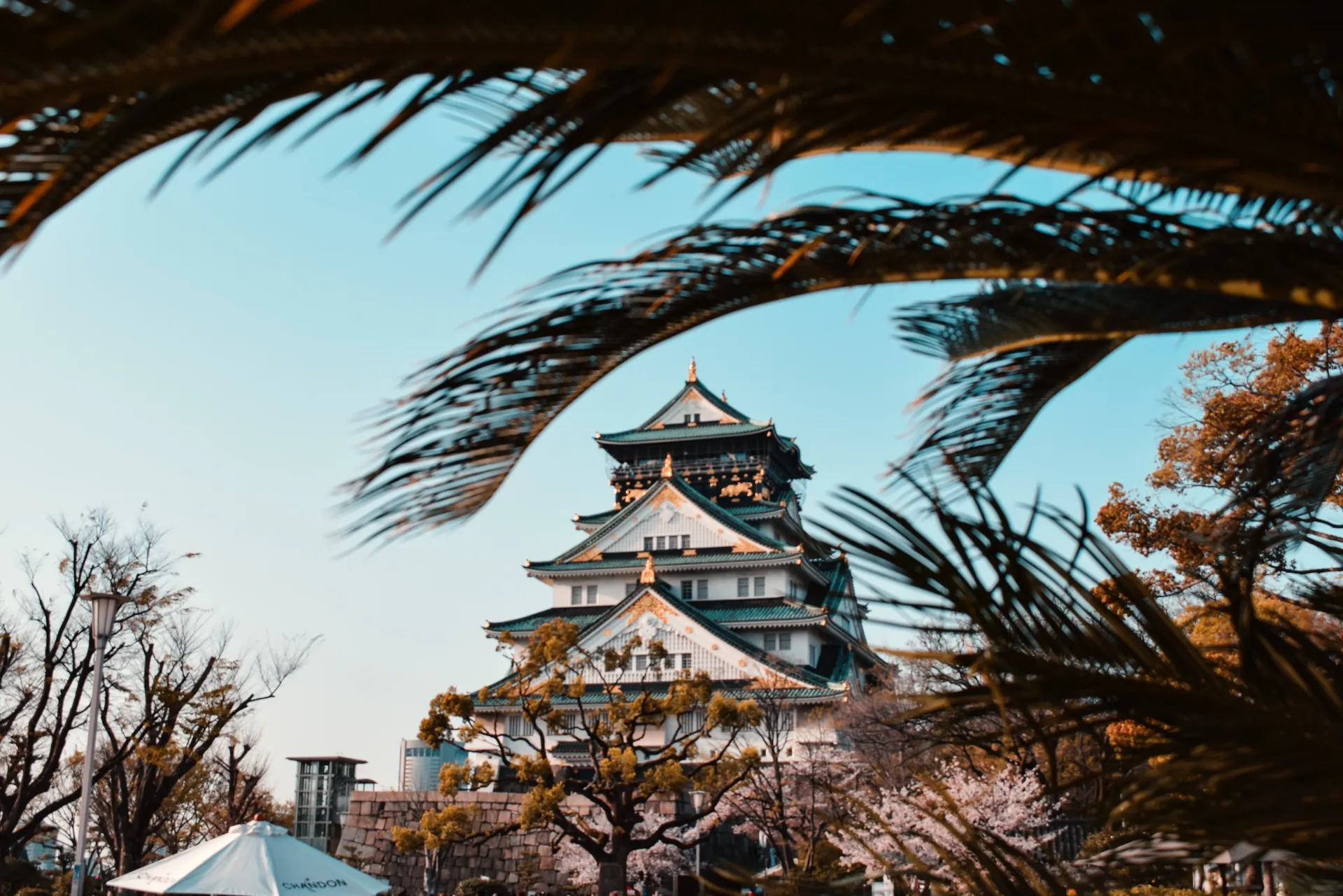
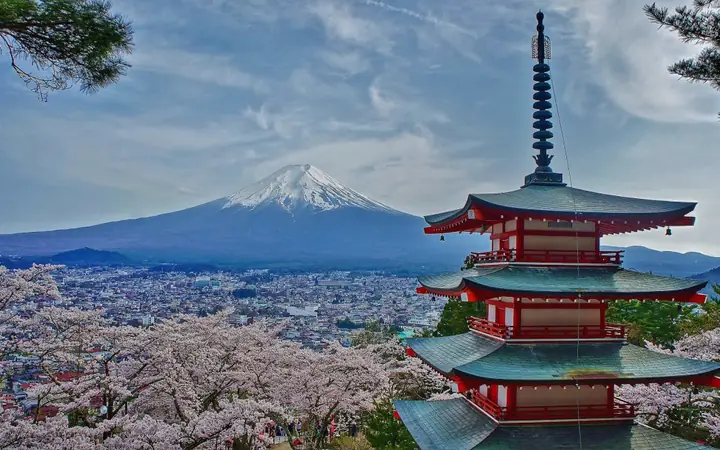
Cherry blossom (sakura) moves north through the country, typically reaching Tokyo and Kyoto in late March or early April. Forecasts are published each year, and blossom lasts only about a week in each place, so build flexibility into your dates. It is the busiest and most expensive time to visit; book hotels months ahead. Golden Week, a cluster of Japanese holidays in late April and early May, is very crowded for domestic travel.
Summer (June to August)
June brings the rainy season in much of the country. July and August are hot and humid, but it is festival season, with fireworks and summer matsuri. It is the season to climb Mount Fuji (roughly July to early September) and to visit cooler Hokkaido.
Autumn (September to November): red maples
September can still be warm and has some typhoon risk. October and November are among the most pleasant months, and autumn colours peak in Kyoto and Tokyo around mid to late November. Like blossom season, it is popular, so book early.
Winter (December to February)
Cities are cold but usually dry and clear, with fewer tourists outside the New Year period. Mount Fuji & Hakone views are often at their sharpest. In the north, Sapporo & Hokkaido hosts the Snow Festival in February and Niseko has world-class powder snow.
Quick answer
- Blossom: late March to early April.
- Autumn colours: mid to late November.
- Snow and festivals: February in Hokkaido.
- Fewer crowds: January, early June or September.
Read our Japan Rail Pass explained: is it worth it for your route? guide before you go, and see our Festival and seasonal trips page for seasonal itineraries.

 When to go
 When to go
 When to go
 When to go