
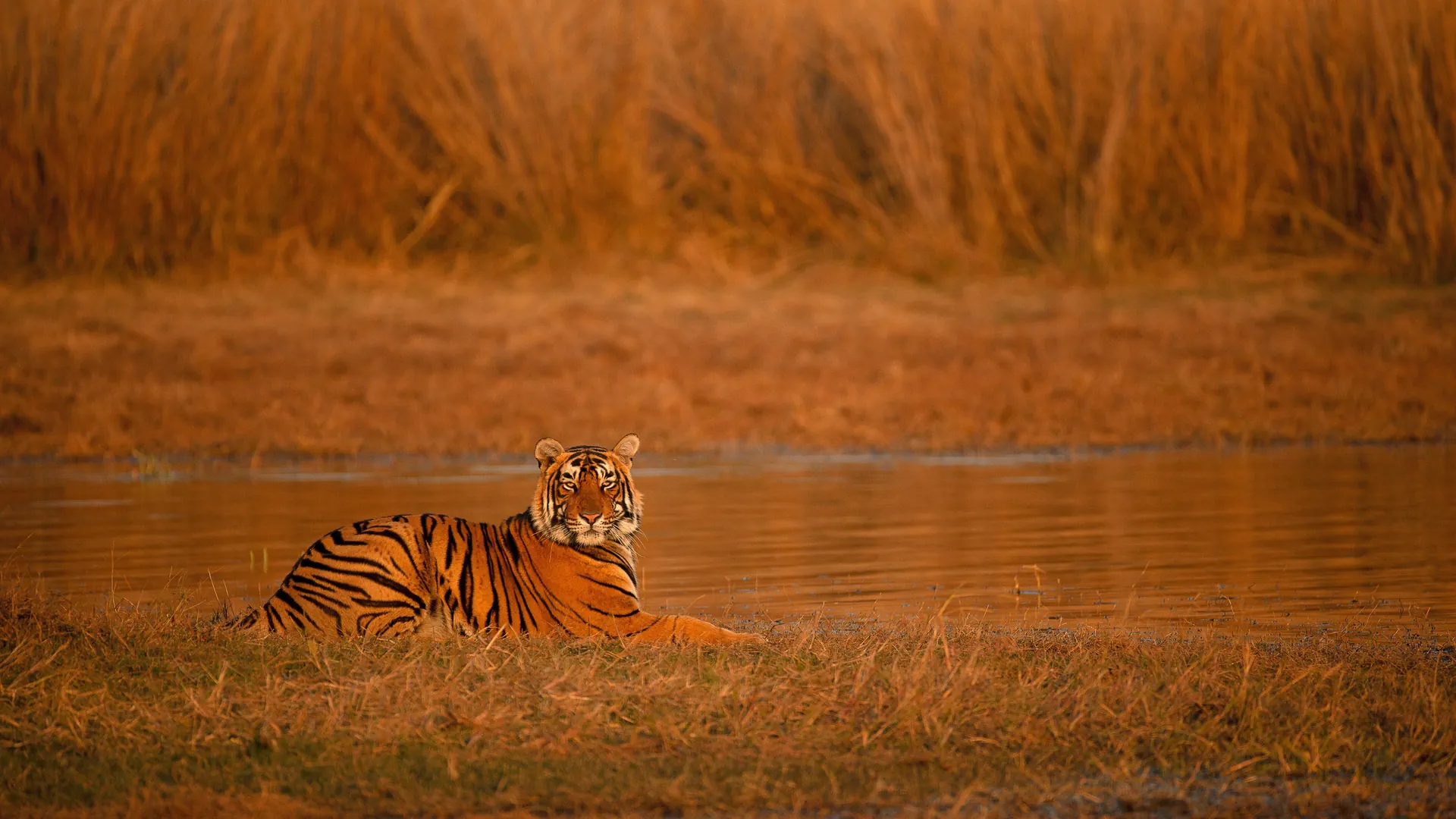
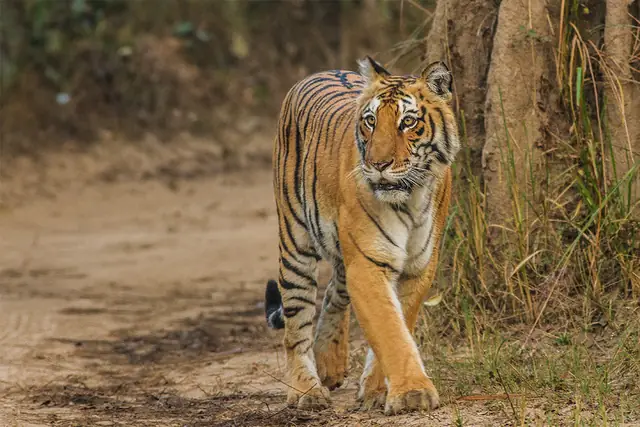
Photographing a wild tiger is a dream for many photographers. These tips help you make the most of your safaris.
Choose the right park and season
Bandhavgarh National Park, Ranthambore, Kanha National Park and Jim Corbett National Park are reliable choices. March to June brings better sightings as animals gather at water, but light can be harsh. Winter mornings give soft, misty light.
Book enough safaris
Plan at least four to six safaris, ideally across different zones. Book through official forest department portals as early as possible.
Equipment
- A telephoto lens is essential.
- A wider lens for habitat shots.
- A bean bag for stability on the vehicle.
- Spare batteries and memory cards.
- A dust cover for your camera.
Settings
- Use fast shutter speeds for moving animals.
- In low light at dawn, raise the ISO.
- Shoot in burst mode for action.
Light
The first and last hours of the safari offer the best light.
Composition
- Include habitat: grass, water, ruins.
- Focus on the eyes.
- Capture behaviour, not just portraits.
Ethics
- Never ask the driver to get closer than allowed or to go off-track.
- Do not use flash.
- Stay quiet.
- Respect other vehicles.
See Your first tiger safari in India: how to improve your chances and our Photography holidays page.
Beyond tigers
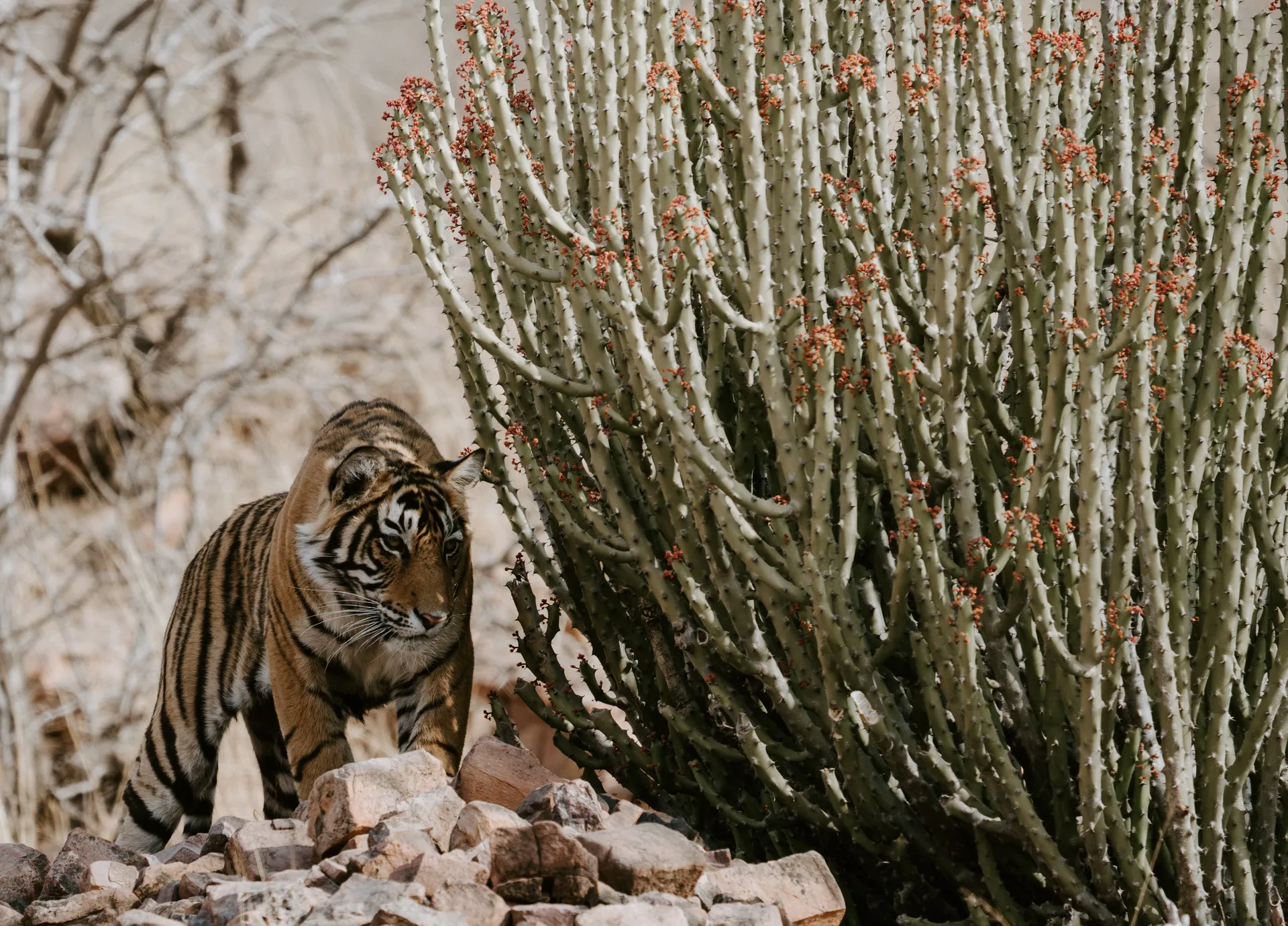
Some of the best images on safari are of leopards, sloth bears, kingfishers, owls, deer at dawn and the forest itself. Keep your camera ready for everything, not only the tiger, and you will come home with a richer set of photographs.
Planning a photography safari
Ask for a private jeep so you can choose your angles, and book the same zones for several drives to learn the territory.
 India travel planning
 India travel planning
 India travel planning
 India travel planning