
The Mughal emperors left India some of the world's most celebrated buildings. A trail through Delhi and Agra tells their story in stone.
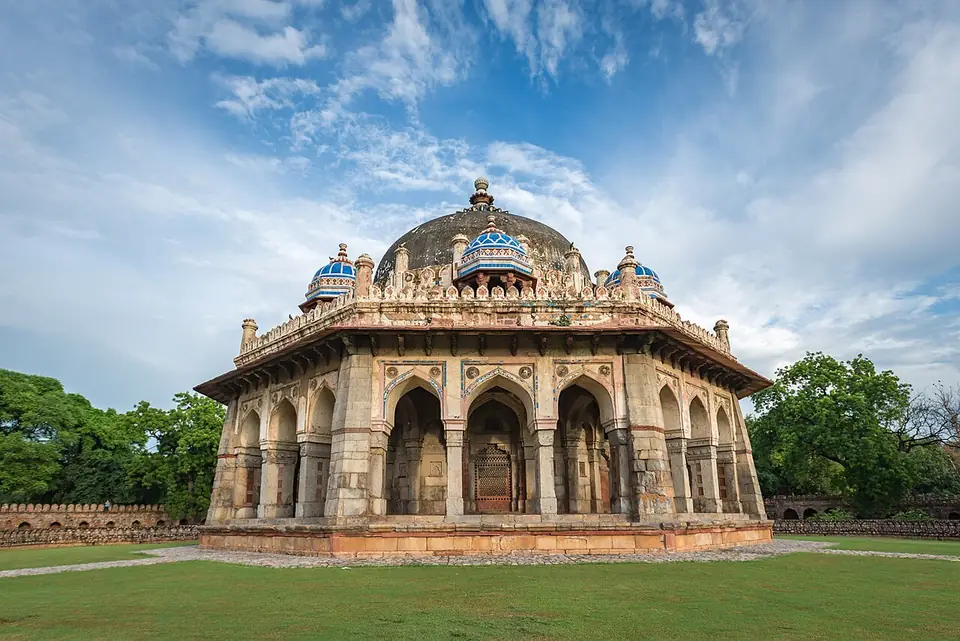
Humayun's Tomb, Delhi
Completed in the 1570s, this garden tomb of red sandstone and white marble was the first great Mughal garden tomb in India and an inspiration for the Taj Mahal. Its charbagh garden is divided into four parts by water channels.
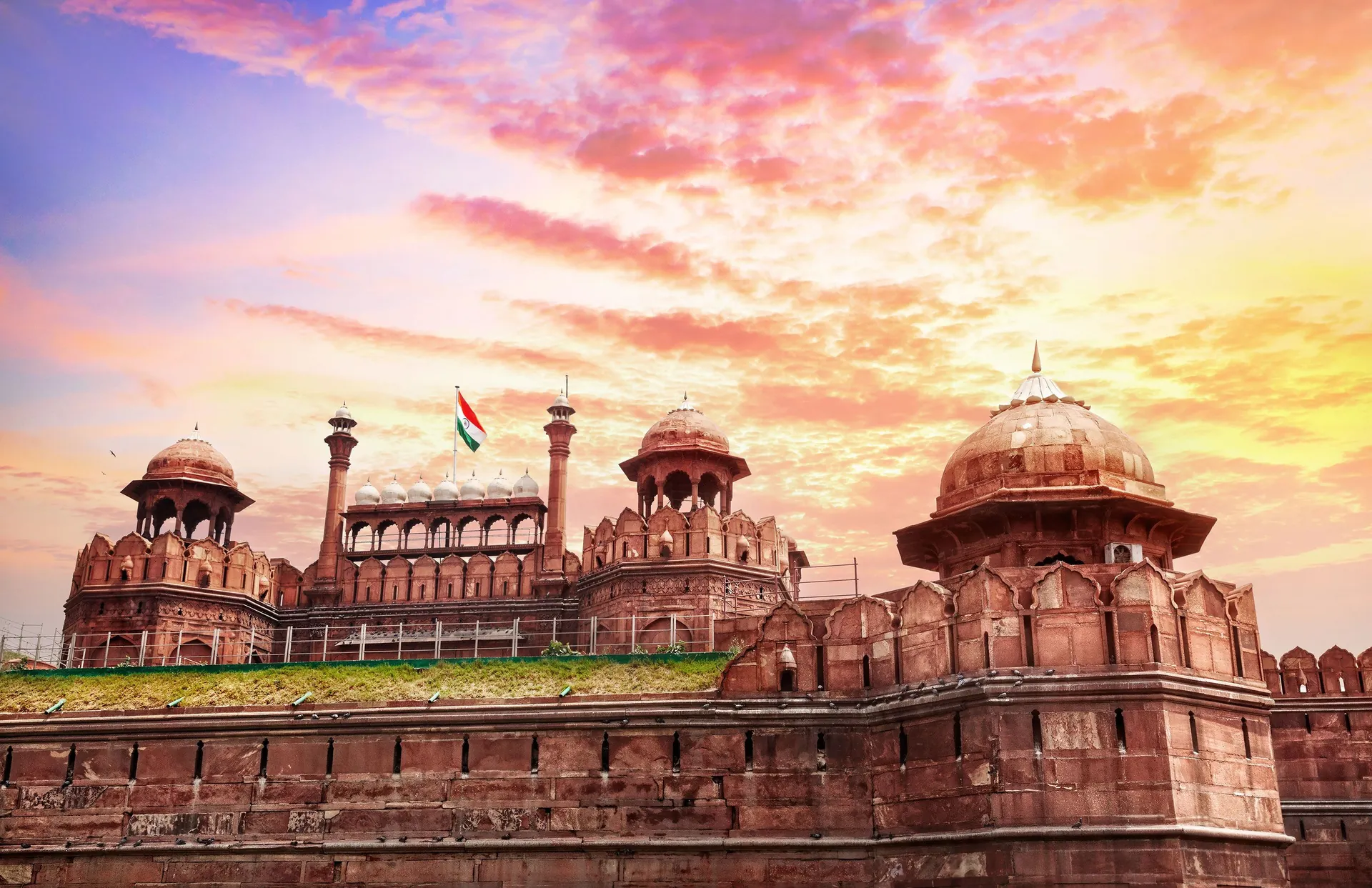
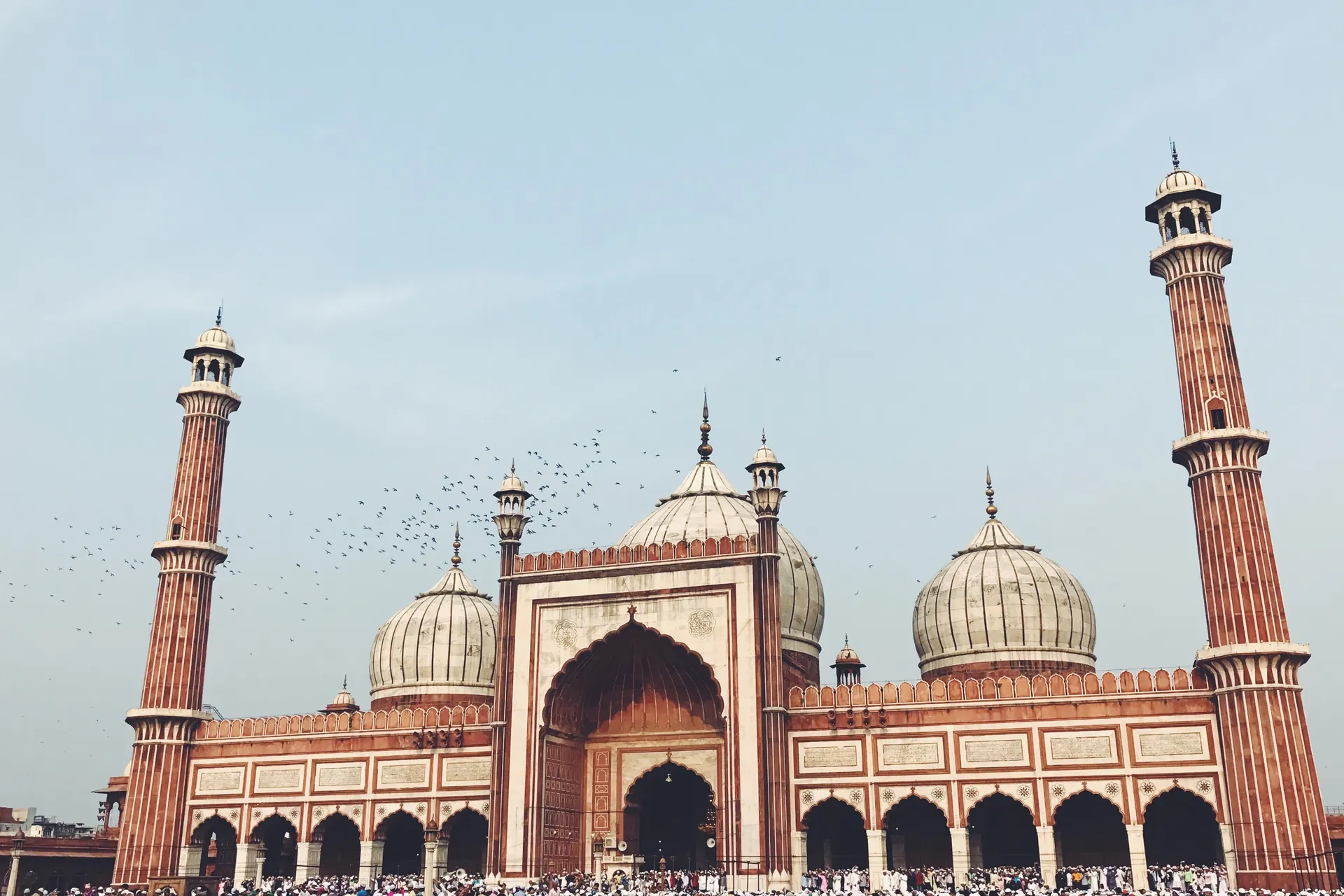
Red Fort and Jama Masjid, Delhi
Shah Jahan built the Red Fort as the palace of his new capital, Shahjahanabad, and the nearby Jama Masjid, one of India's largest mosques.
Fatehpur Sikri
Akbar's short-lived capital near Agra, with palaces, courtyards and the Buland Darwaza, a monumental gateway. It shows a blend of Persian, Indian and Islamic styles.
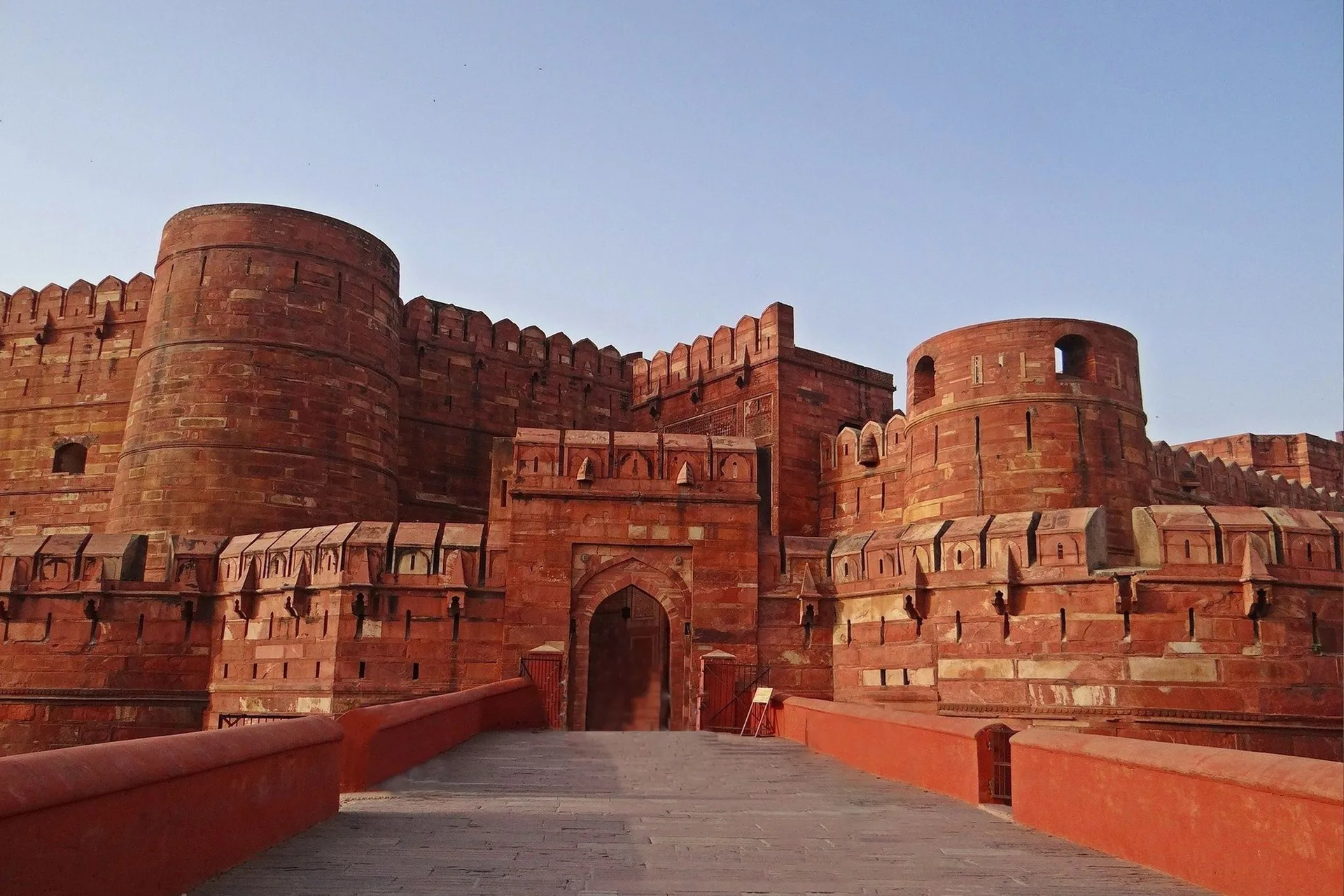
Agra Fort
A massive red sandstone fort with marble palaces added by Shah Jahan, who spent his last years imprisoned here with a view of the Taj Mahal.
Itimad-ud-Daulah
Often called the "Baby Taj", this tomb introduced the pietra dura technique of inlaying precious stones in marble.
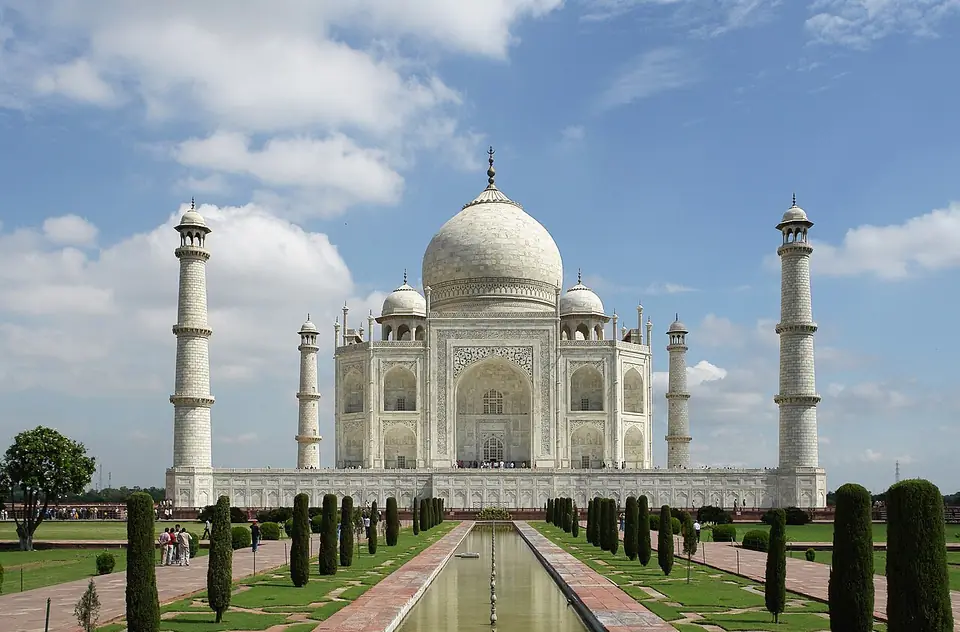
The Taj Mahal
Shah Jahan's mausoleum for Mumtaz Mahal is the high point of Mughal architecture. See it at sunrise, and again at sunset from Mehtab Bagh across the river.
Akbar's Tomb, Sikandra
A large tomb blending architectural traditions.
Planning
- Visit the Taj at sunrise; it is closed on Fridays.
- The Red Fort is closed on Mondays.
- Hire licensed guides to understand the symbolism.
- Combine with Lucknow for the later Nawabi architecture of the imambaras.
See Golden Triangle in 5 days: Delhi, Agra and Jaipur and Cultural holidays.

 India travel planning
 India travel planning
 India travel planning
 India travel planning