
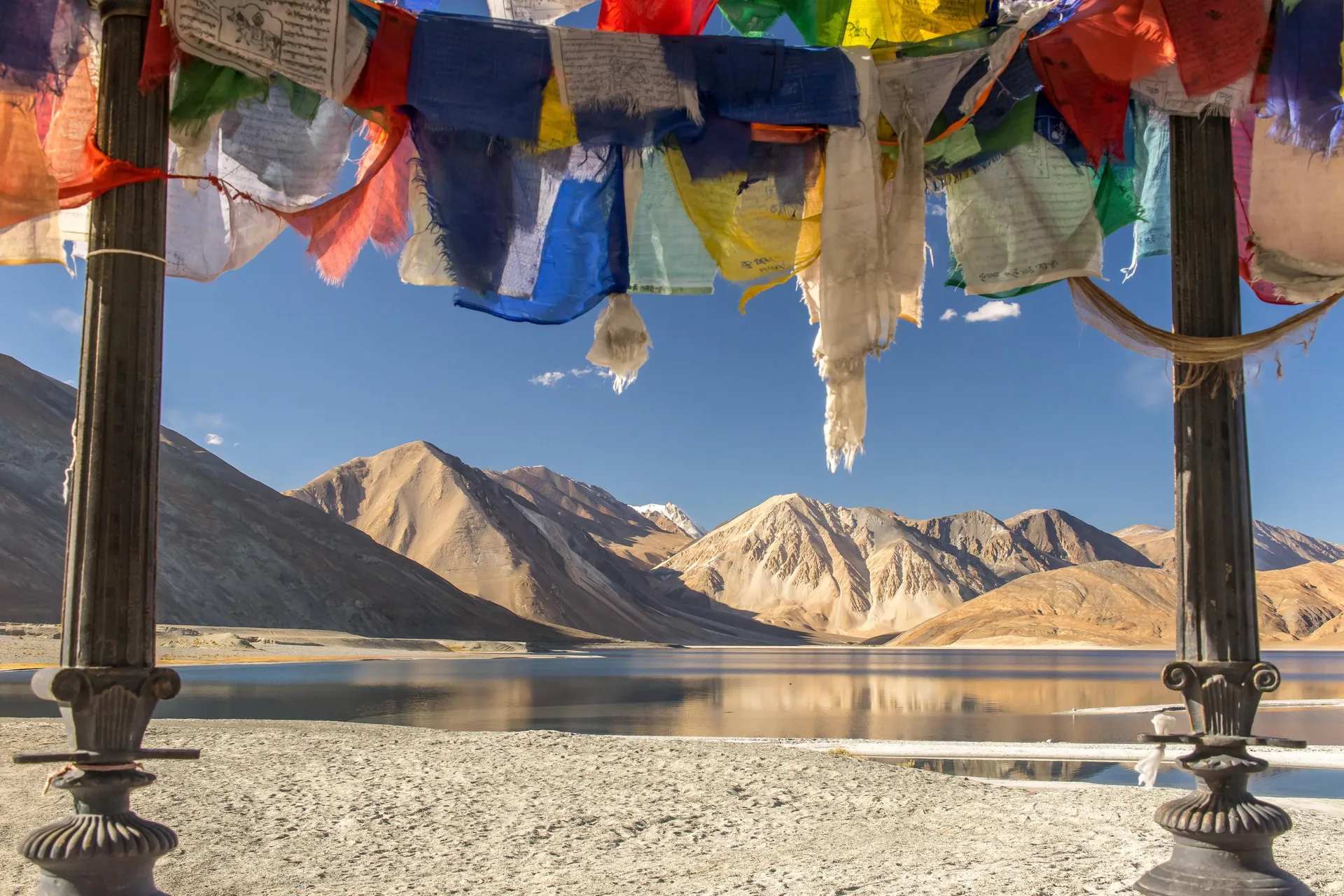
Ladakh and Spiti Valley are both high-altitude deserts with dramatic landscapes and Buddhist monasteries. Here is how they compare.
Getting there
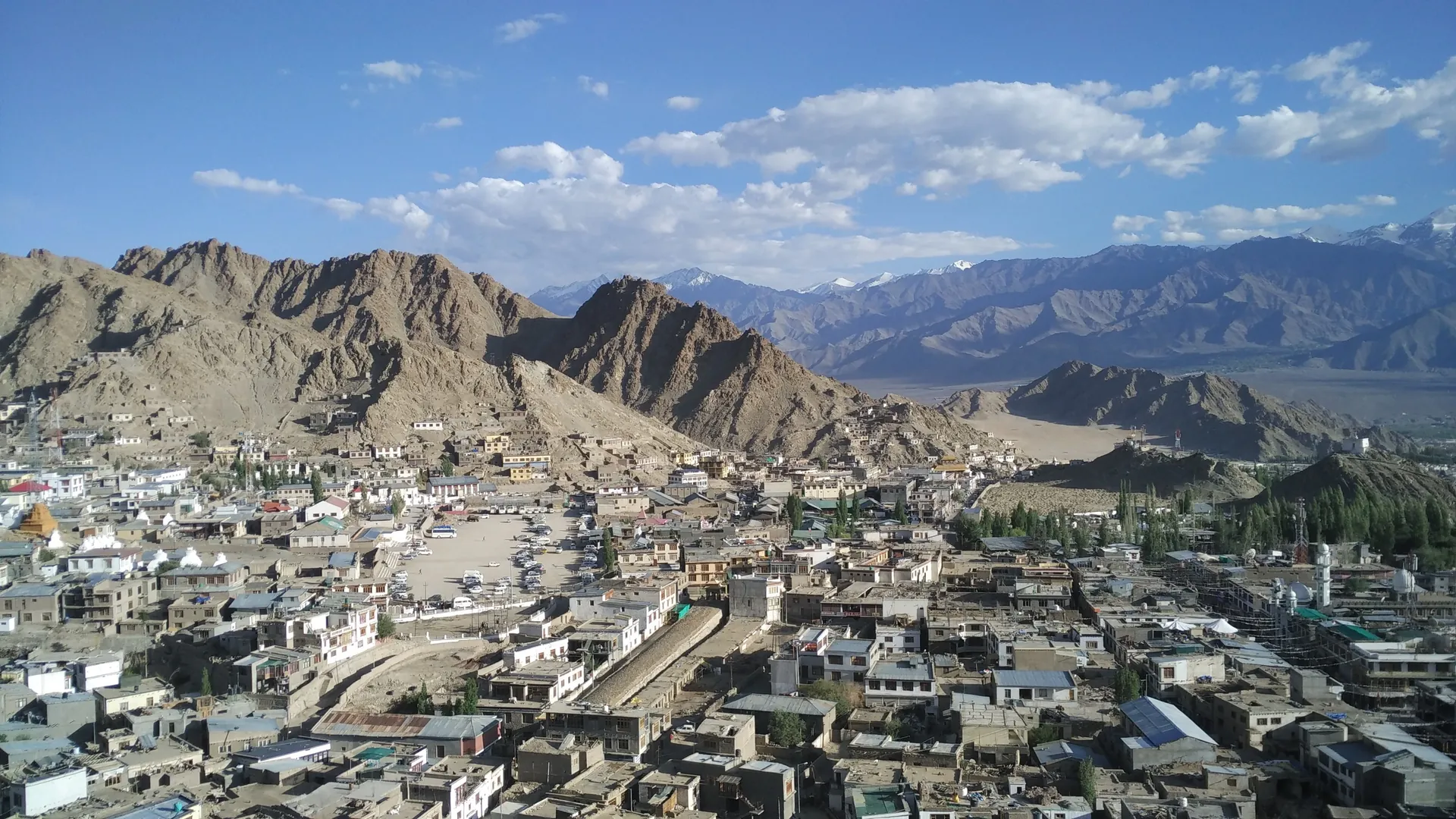
- Ladakh: flights into Leh year-round, plus seasonal road routes from Manali and Srinagar.
- Spiti: no airport; long road journeys from Shimla via Kinnaur or from Manali via Kunzum Pass.
Landscapes
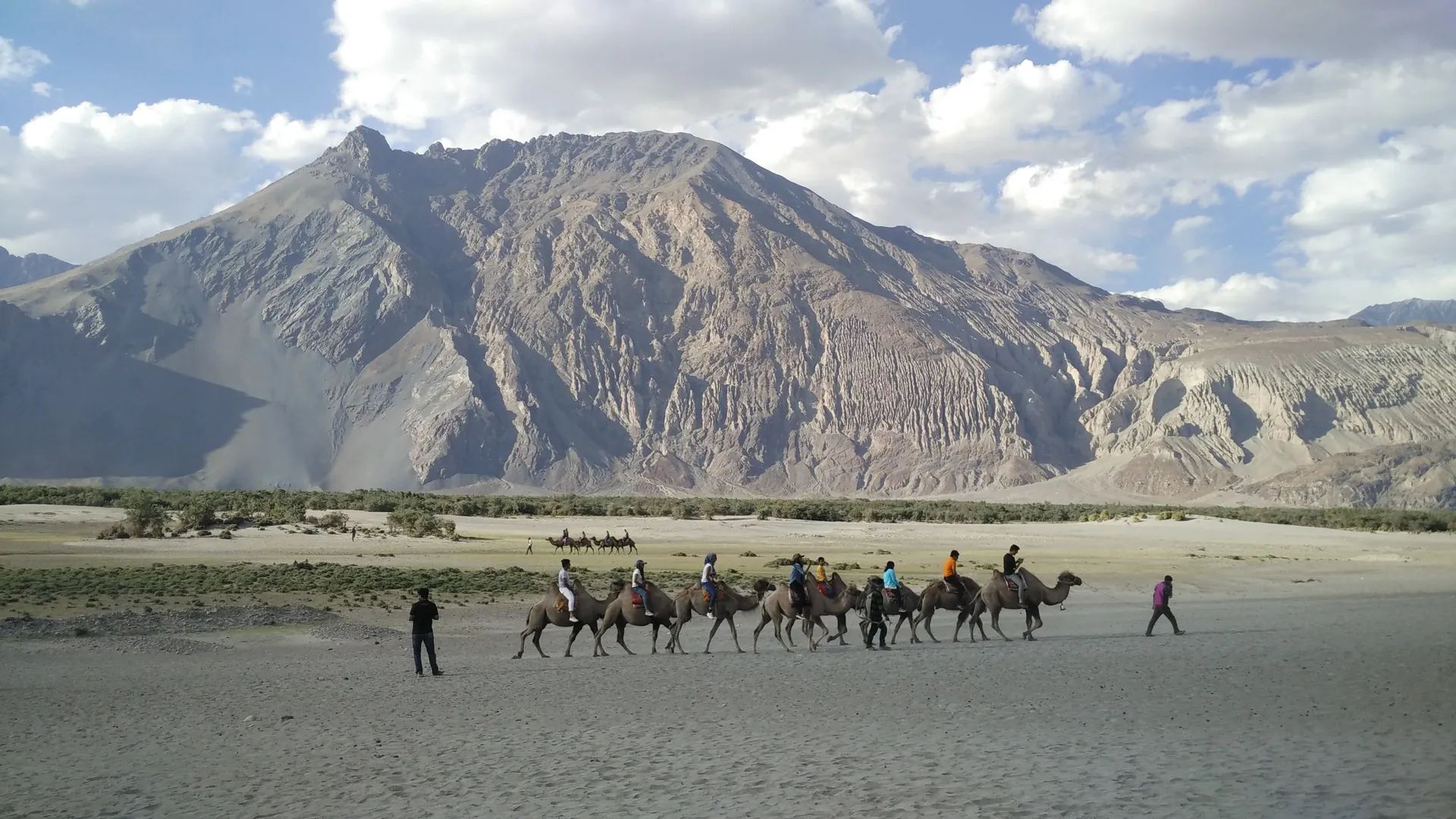
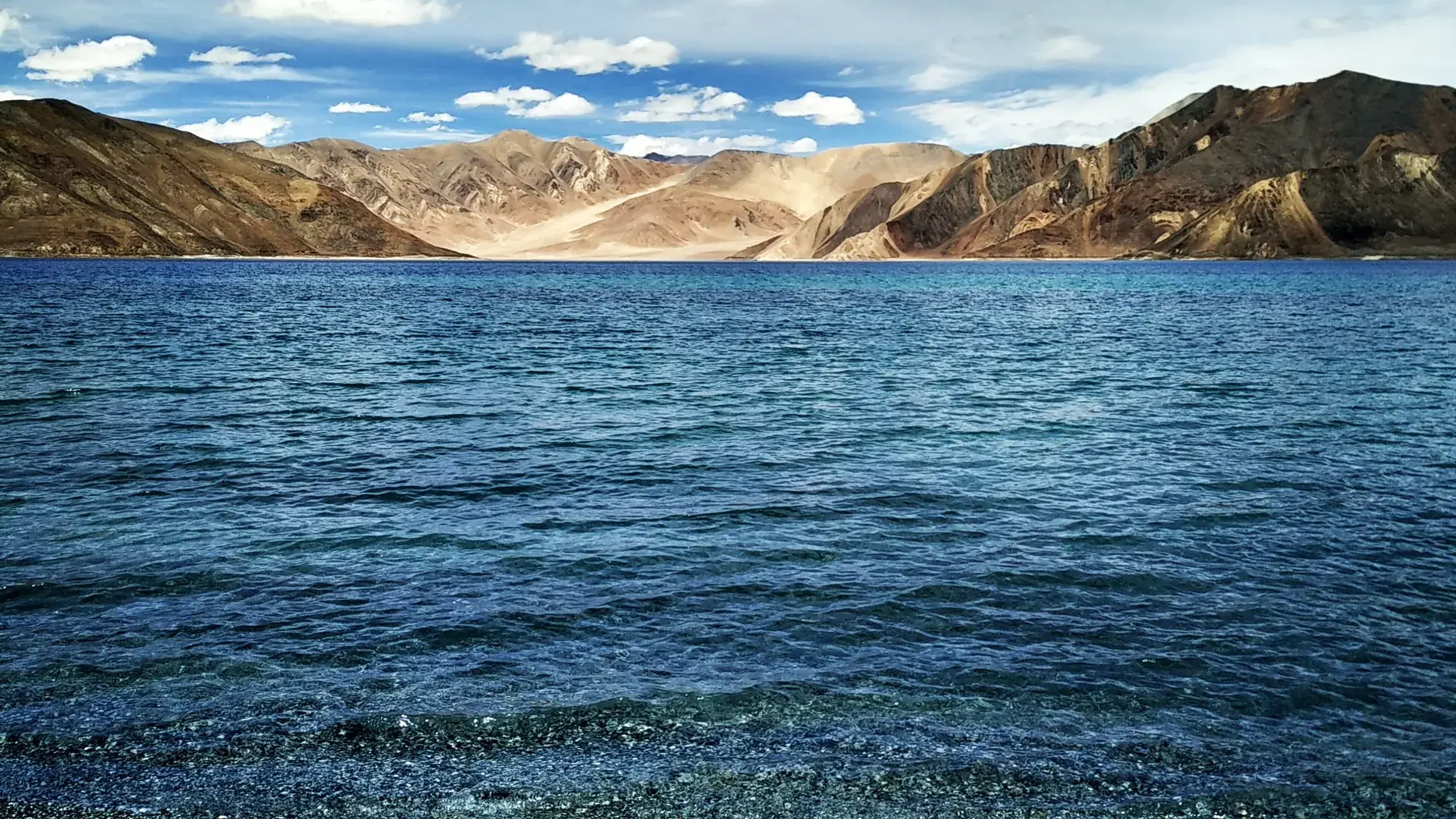
- Ladakh: famous lakes like Pangong, sand dunes in Nubra and very high passes.
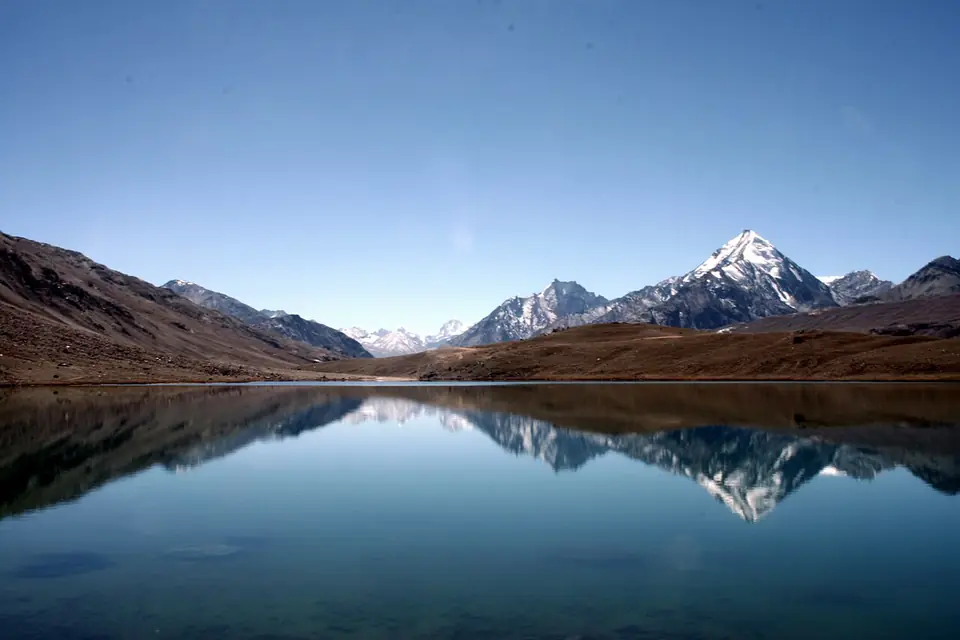
- Spiti: stark, remote valleys, ancient monasteries such as Key and Tabo, and high villages.
Comfort and facilities
Ladakh has more hotels, from simple guesthouses to comfortable hotels. Spiti is more basic, with homestays and simple hotels.
Crowds
Ladakh is more popular and busier in peak season. Spiti is quieter and more remote.
Culture
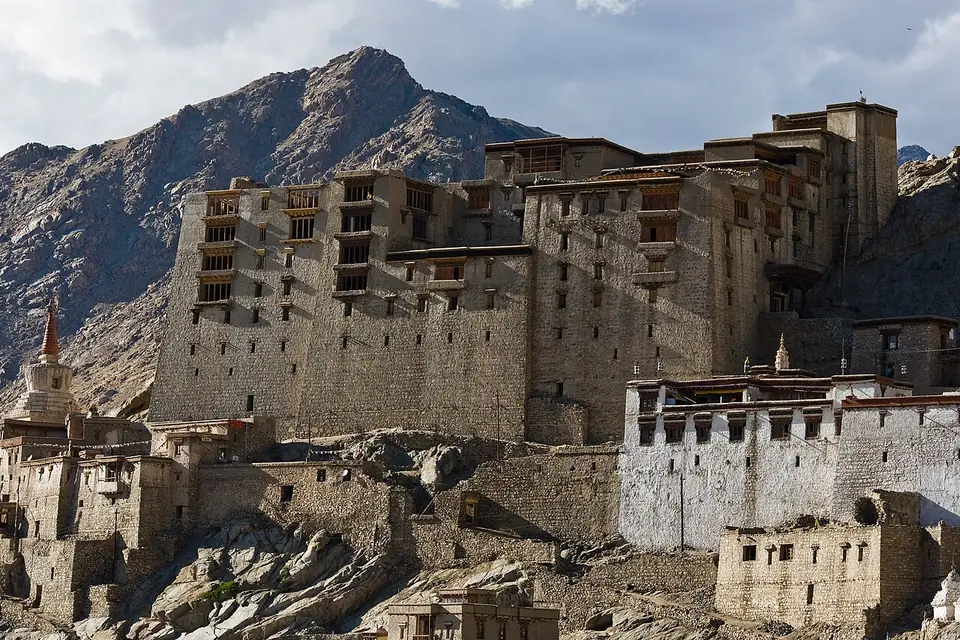
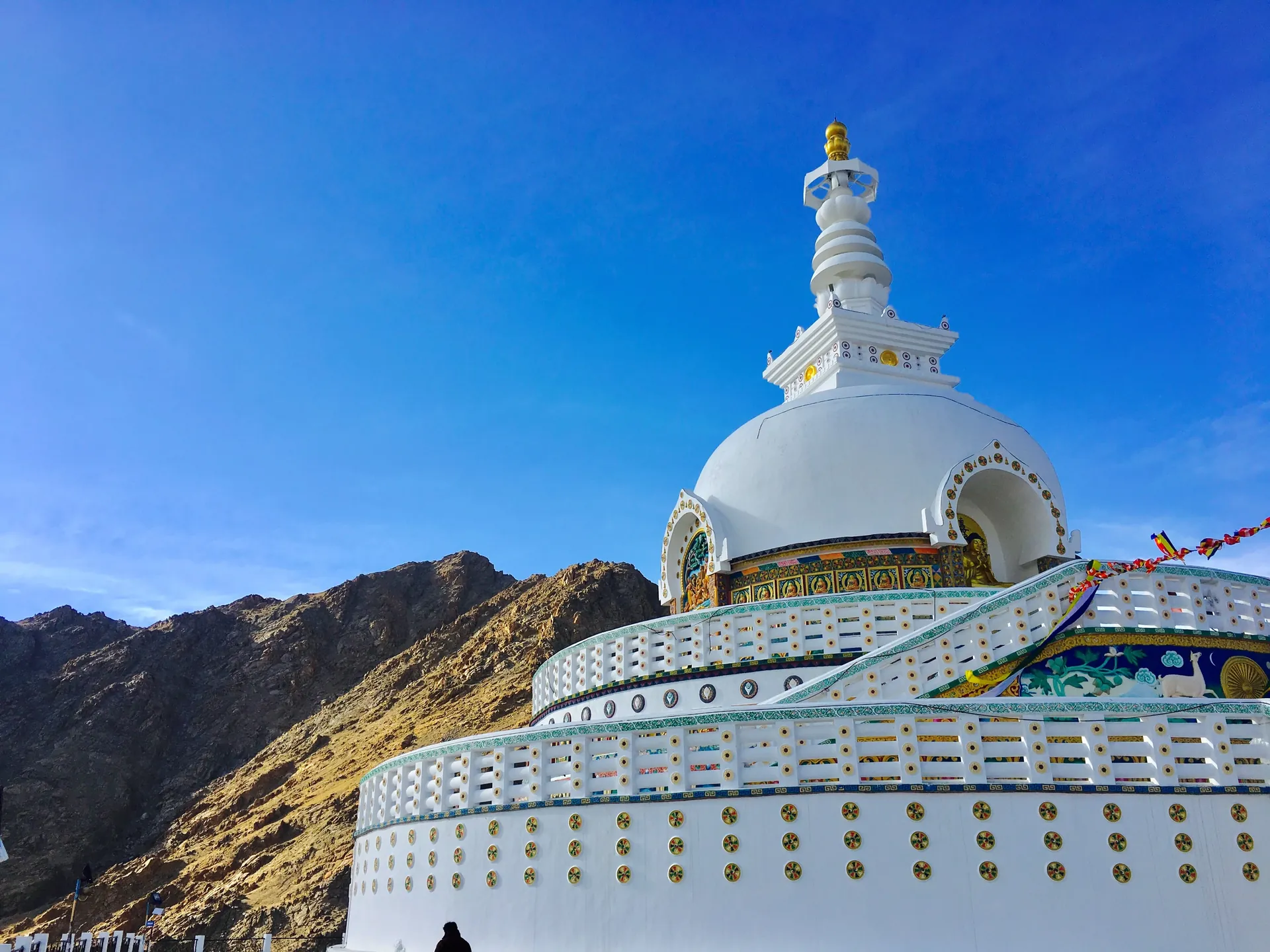
Both have rich Tibetan Buddhist culture. Spiti's villages feel more untouched.
Difficulty
Both involve high altitude and rough roads. Spiti's roads are generally longer and harder, and medical facilities are more limited.
Seasons
- Ladakh: May to September.
- Spiti: roughly June to September via Kunzum; the Kinnaur route stays open longer.
Our verdict
Choose Ladakh for a first high-altitude trip, iconic lakes and more comfort. Choose Spiti for a quieter, rougher adventure. Whichever you choose, acclimatise carefully. See Altitude sickness: what travellers to Ladakh and the Himalaya should know and Road trips.
How long?
Plan at least seven days for Ladakh and eight to ten for Spiti, including acclimatisation and travel time. Both are better with an experienced local driver.
Combining them
Adventurous travellers sometimes combine the two via Manali, but it is a long, demanding journey best suited to experienced high-altitude travellers.
 India travel planning
 India travel planning
 India travel planning
 India travel planning