
Buddhism spread from India across Asia, leaving extraordinary monuments and living traditions. These sites are rewarding for pilgrims and for anyone interested in history and art.
India and Nepal
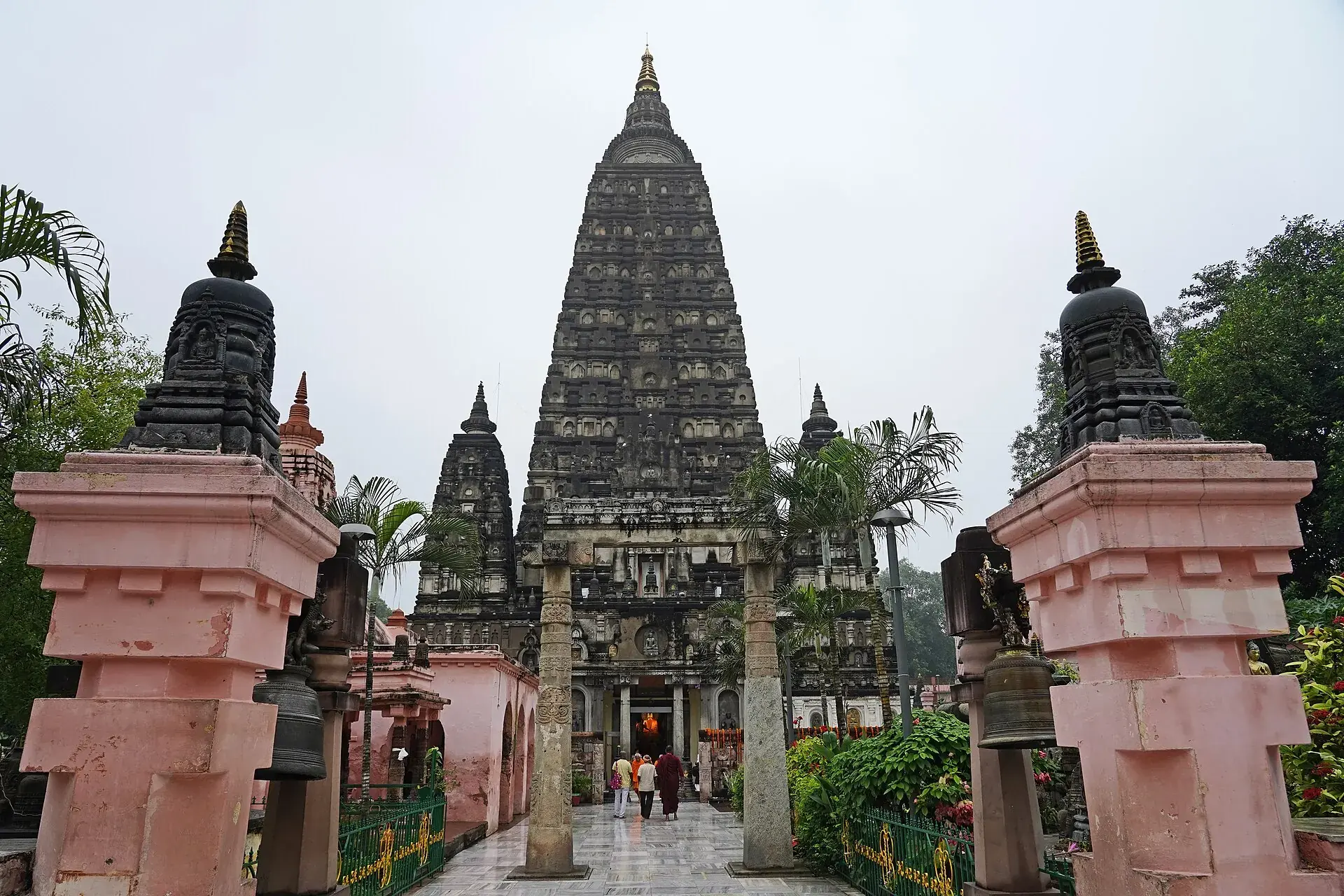
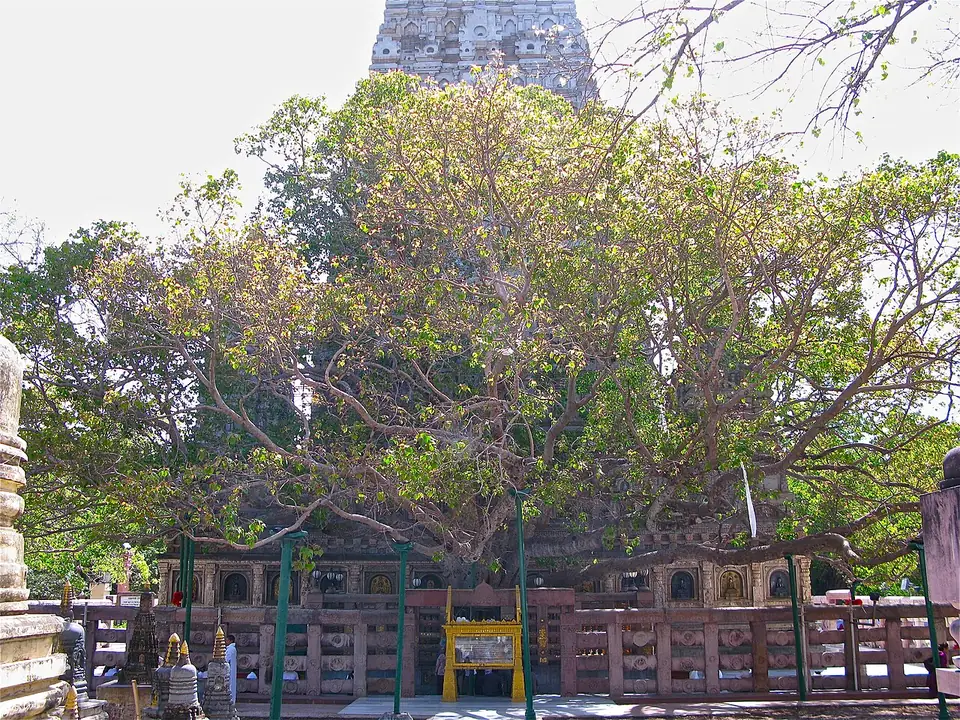
- Bodh Gaya: the Mahabodhi Temple at the site of the Buddha's enlightenment.
- Sarnath: where he gave his first sermon.
- Lumbini, Nepal: his birthplace.
- Sanchi: the Great Stupa, one of the oldest stone structures in India.
- Ajanta: caves with ancient Buddhist paintings.
See The Buddhist circuit in India and Nepal: a planning guide.
Sri Lanka
The sacred city of Anuradhapura, Dambulla's cave temples and the Temple of the Tooth in Kandy.
Indonesia
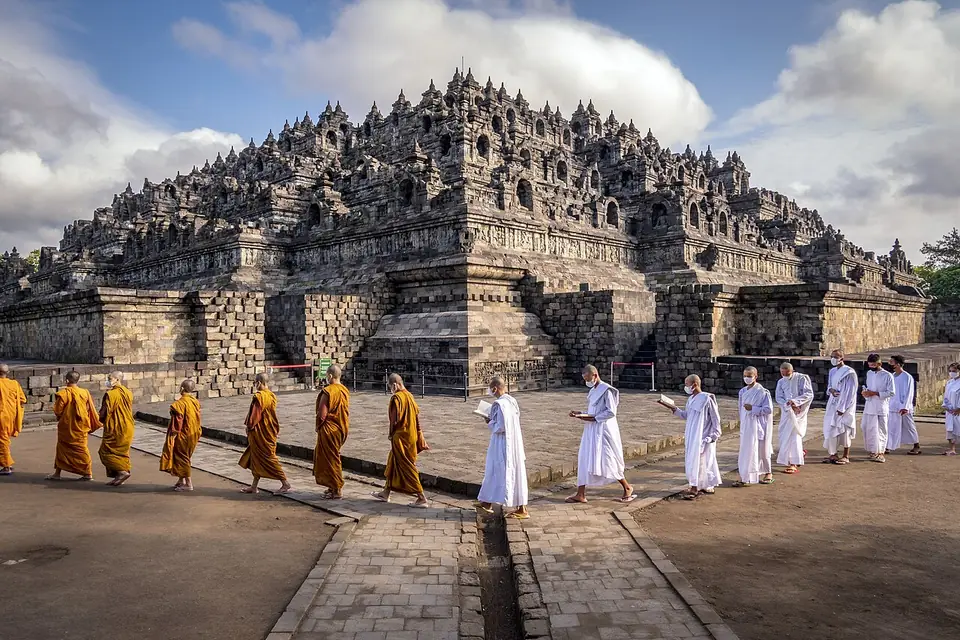
Borobudur near Yogyakarta is the world's largest Buddhist monument, a vast stepped stupa with thousands of relief panels.
Cambodia
The Bayon at Angkor, with its serene stone faces, reflects the Buddhist phase of the Khmer Empire. See Siem Reap (Angkor).
Laos and Thailand
- Luang Prabang: golden temples and the dawn alms procession.
- Thailand: Bangkok's Wat Pho and Wat Arun, Ayutthaya and Sukhothai's ruins and Chiang Mai's temples.
Bhutan and Ladakh
Living Himalayan Buddhism at Tiger's Nest in Paro, Thimphu's dzongs and Ladakh's monasteries.
Japan
Kyoto and Nara's temples, including the giant bronze Buddha at Todai-ji.
Visiting respectfully
Dress modestly, remove shoes where required, walk clockwise around stupas and keep quiet near meditation areas. See our Pilgrimage tours and Cultural holidays pages.
Planning a Buddhist heritage journey
Combine sites by region: the Indian circuit with Lumbini; Borobudur with Bali; Angkor with Laos and Thailand; or Bhutan with Darjeeling. Winter is the best season for the Indian plains, while Bhutan is best in spring and autumn.
 India travel planning
 India travel planning
 India travel planning
 India travel planning